There are three main categories of milia:
Primary milia develop spontaneously without an underlying trigger.
Secondary milia occur as a result of other conditions or skin trauma. This includes:
Some forms of milia are associated with specific syndromes or skin conditions, such as:
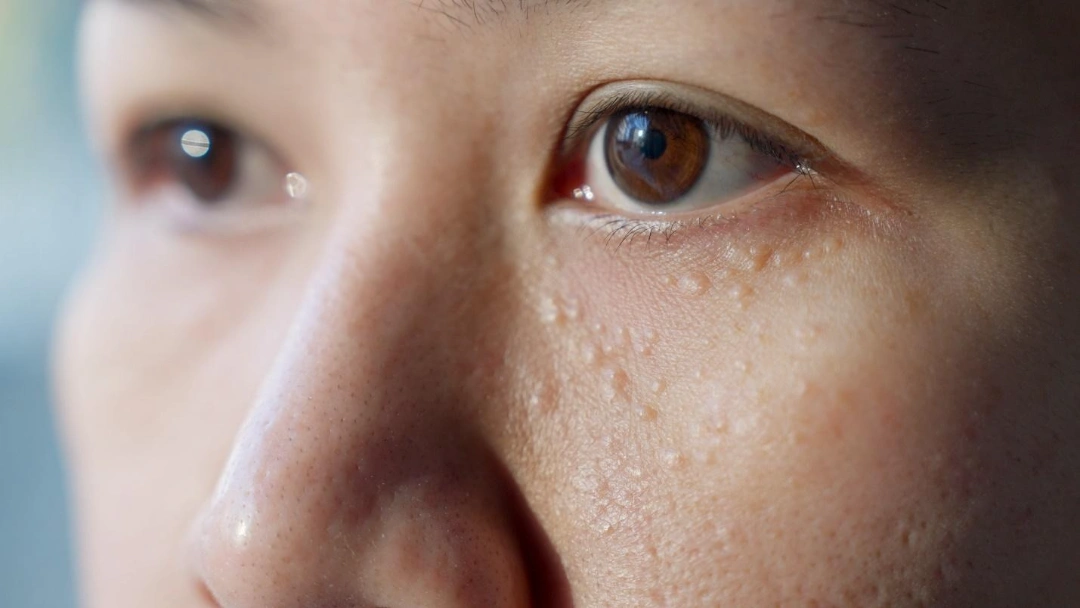
Milia develops when dead skin cells become trapped beneath the skin’s surface instead of naturally shedding. Normally, your skin renews itself by replacing old cells with new ones. But when this process is disrupted, the dead cells can get sealed under the skin. Over time, these cells harden and form tiny keratin-filled cysts.
In addition to disrupted skin turnover, other potential triggers for milia include:
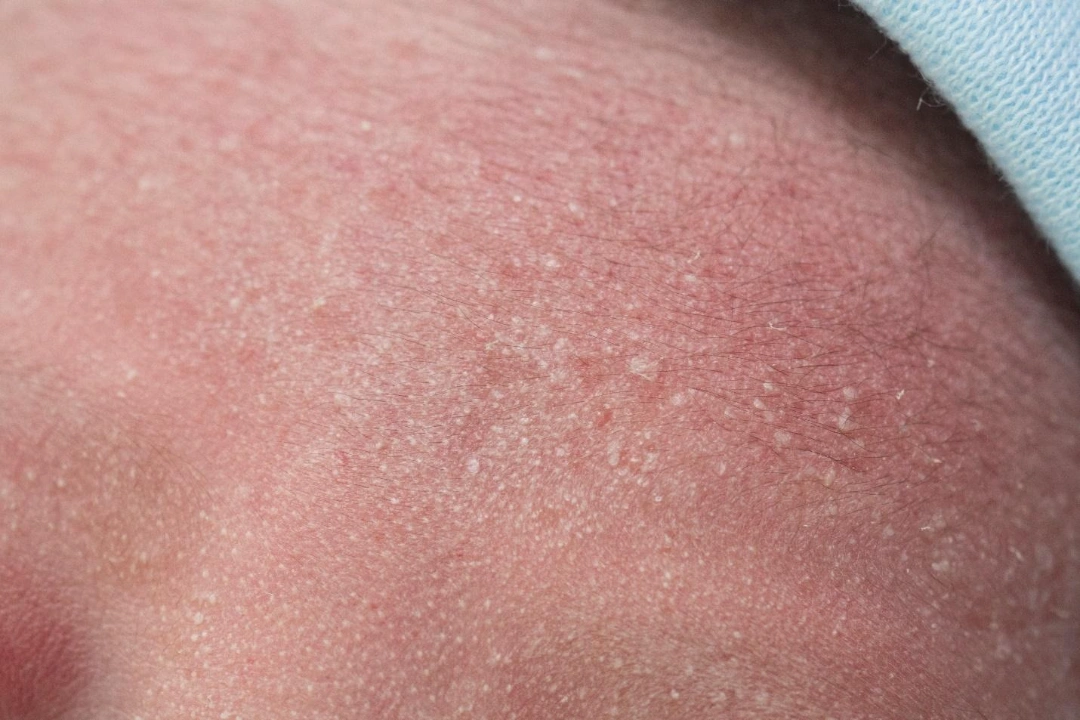
These tiny bumps often appear round, white or yellowish in colour and sit just under the skin. They are typically:
Unlike acne, milia are not caused by bacteria or clogged pores. As such, they do not respond to standard acne treatments.
Milia can develop anywhere on your body. However, it is often found on the face. The most common places include:
| FEATURE | MILIA SEEDS | WHITEHEADS |
|---|---|---|
| Type | Keratin Cysts | Non-inflammatory acne |
| Cause | Trapped dead skin cells | Blocked hair follicles due to sebum, dead skin and bacteria |
| Affected Individuals | All ages, including infants | Mostly teenagers and adults |
| Duration | Can last weeks to months | May resolve within a few days or progress to acne |
Anyone can develop these small keratin-filled bumps, but certain skin types and conditions may increase the likelihood of milia forming:
A dermatologist often takes a detailed and personalised approach when assessing milia to ensure an accurate diagnosis and the most appropriate care plan for your skin.
Milia are usually straightforward to identify, but it is prudent to rule out other skin conditions, especially if the bumps are persistent, widespread, or appear in unusual locations.
During your consultation, our dermatologists will perform a thorough evaluation that may include:
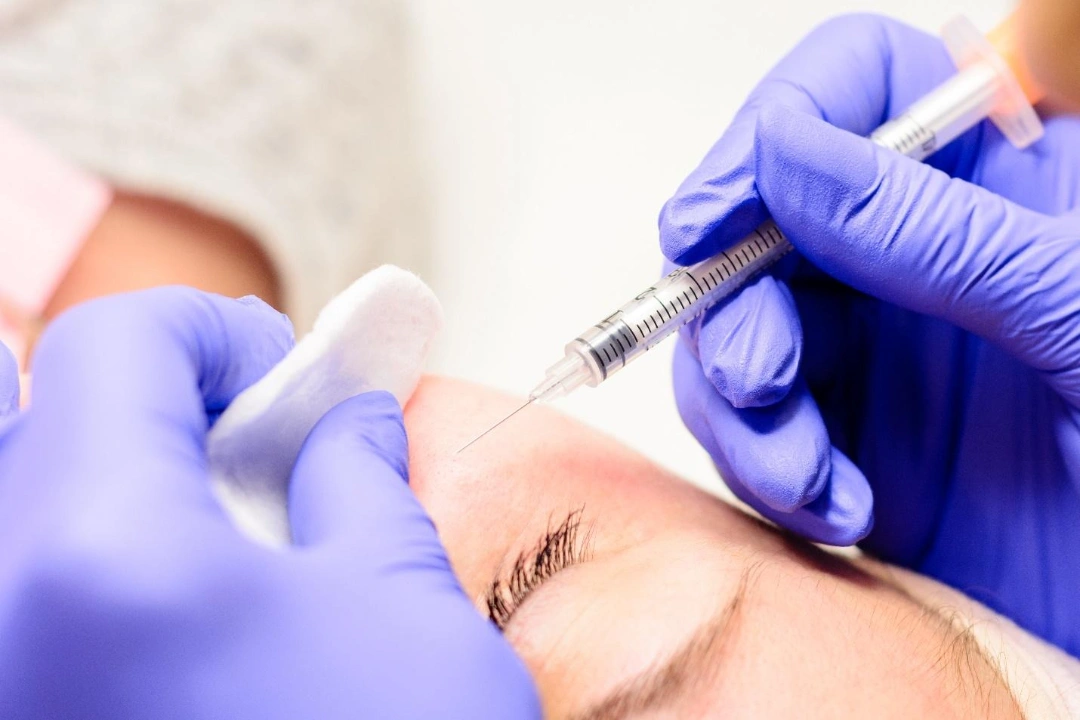
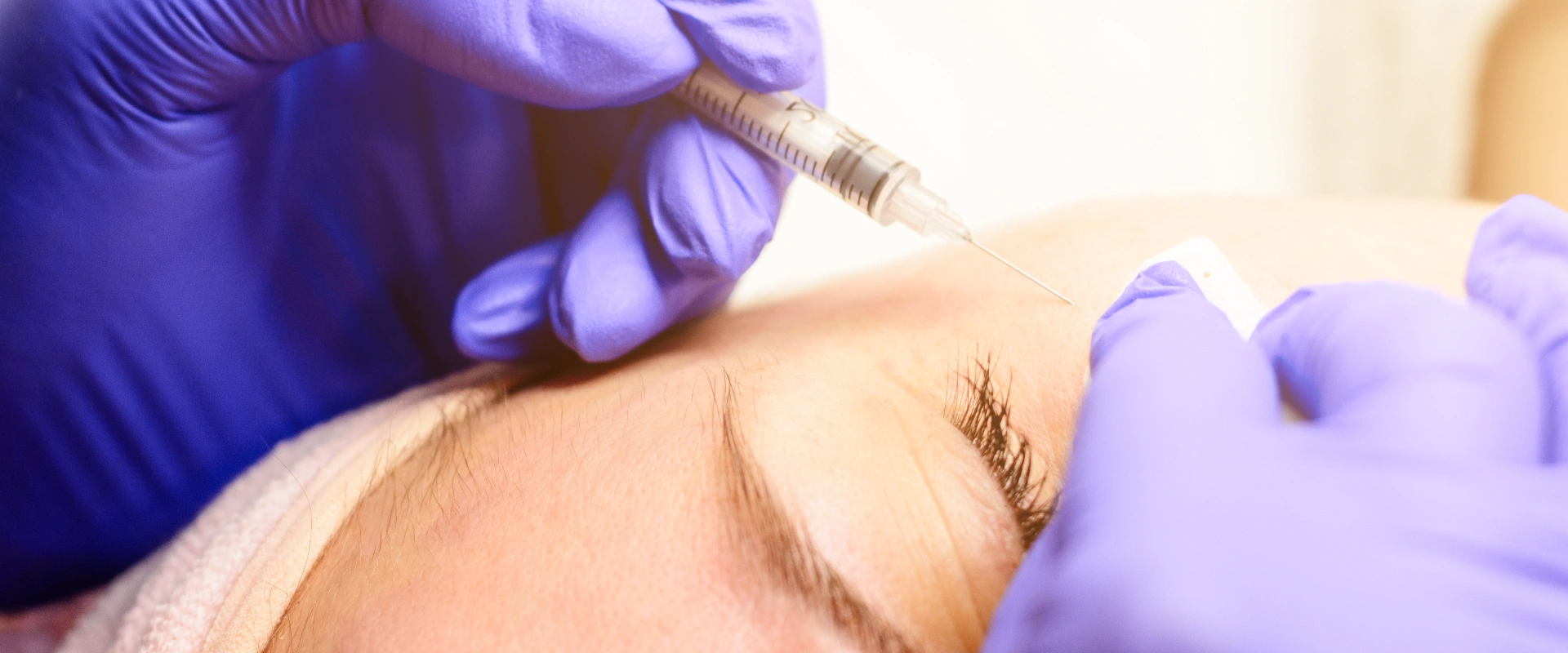
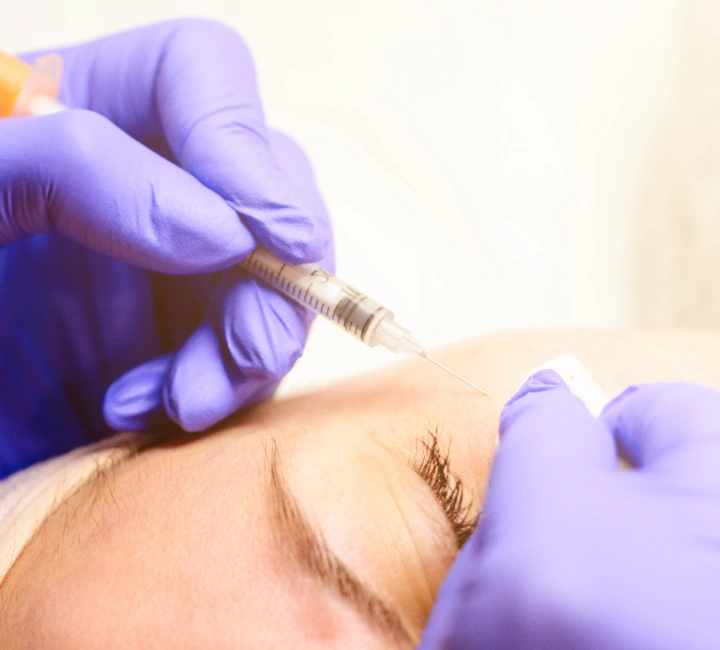
Milia are harmless and often resolve naturally without treatment. However, if their appearance is bothersome or they persist for an extended period, several safe and effective removal methods are available at Cove Aesthetic Clinic.
Our treatment goal is to gently remove the cysts with minimal disruption to the surrounding skin, using precise, medically supervised techniques.
Some of the common treatment options include:
Prescription creams such as tretinoin or adapalene help exfoliate the skin and prevent keratin buildup, particularly useful for multiple or recurring milia.
This method uses controlled freezing with liquid nitrogen to destroy the milia cysts, allowing them to fall off naturally in the days that follow.
Using targeted electrical currents, milia can be safely cauterised and removed, often in a single session.
CO2 or Er:YAG laser treatment can precisely vaporise milia cysts with minimal trauma to the skin. This method is especially effective for milia located in delicate areas such as around the eyes.
For isolated cysts, our doctor may use a sterile needle or comedone extractor to gently release the trapped keratin. This technique is quick, safe, and leaves minimal scarring when done professionally.
These tiny bumps may be harmless, but they can affect the overall appearance and texture of your skin. Whether caused by trapped dead skin cells, skincare habits, or underlying skin conditions, milia seeds are highly treatable with the right approach.
At Cove Aesthetic Clinic, we take the time to understand your skin and concerns. Through expert evaluation and customised treatment options, we help you achieve smoother, healthier-looking skin with minimal downtime. Curious about which treatment is right for you? Book a consultation and let us work together to restore your skin’s natural clarity and glow.
Milia are usually painless and do not itch. However, if they become irritated or inflamed, often due to picking or rubbing, they may feel tender. If a bump becomes red or swollen, it is best to have it examined by a dermatologist.
No. Milia are not caused by infections or bacteria and cannot be spread from person to person. They are entirely non-contagious.
Not necessarily. Milia can form even if you follow a proper skincare routine. They are caused by trapped dead skin cells and keratin, not by dirt or lack of cleanliness. Factors such as sun damage, heavy skincare products, or skin trauma can also contribute to their formation.
Yes, in some cases. Milia in newborns and certain types of primary milia often resolve spontaneously over several weeks or months. However, in adults, they tend to persist and may require professional removal if they become bothersome or increase in number.
No, it is not advisable. Milia are not like pimples and cannot be squeezed out. Attempting to pop or extract them yourself can damage the skin, introduce bacteria, and lead to permanent scarring.
Some over-the-counter (OTC) products containing exfoliating agents like retinoids, glycolic acid, or salicylic acid may help improve skin turnover and reduce milia. However, not all skin types tolerate these ingredients well. It is best to seek professional advice before using them, especially around sensitive areas like the eyes.
Using products that encourage gentle exfoliation, such as those with retinoids, AHAs (like lactic or glycolic acid), or BHAs, can help prevent dead skin cells from becoming trapped. Avoiding thick, heavy creams or oil-based products may also reduce the risk, especially in milia-prone areas.
In most cases, removal is quick and can be done in a single session. Depending on the number and location of milia, our dermatologist will recommend the most suitable method.