Acne

Treatment at a Glance

TREATMENT TIME
FROM 30 - 90 minutes
DURATION
Up to 18 month
DOWNTIME
Minimal to none
NUMBING
Yes
what is acne.
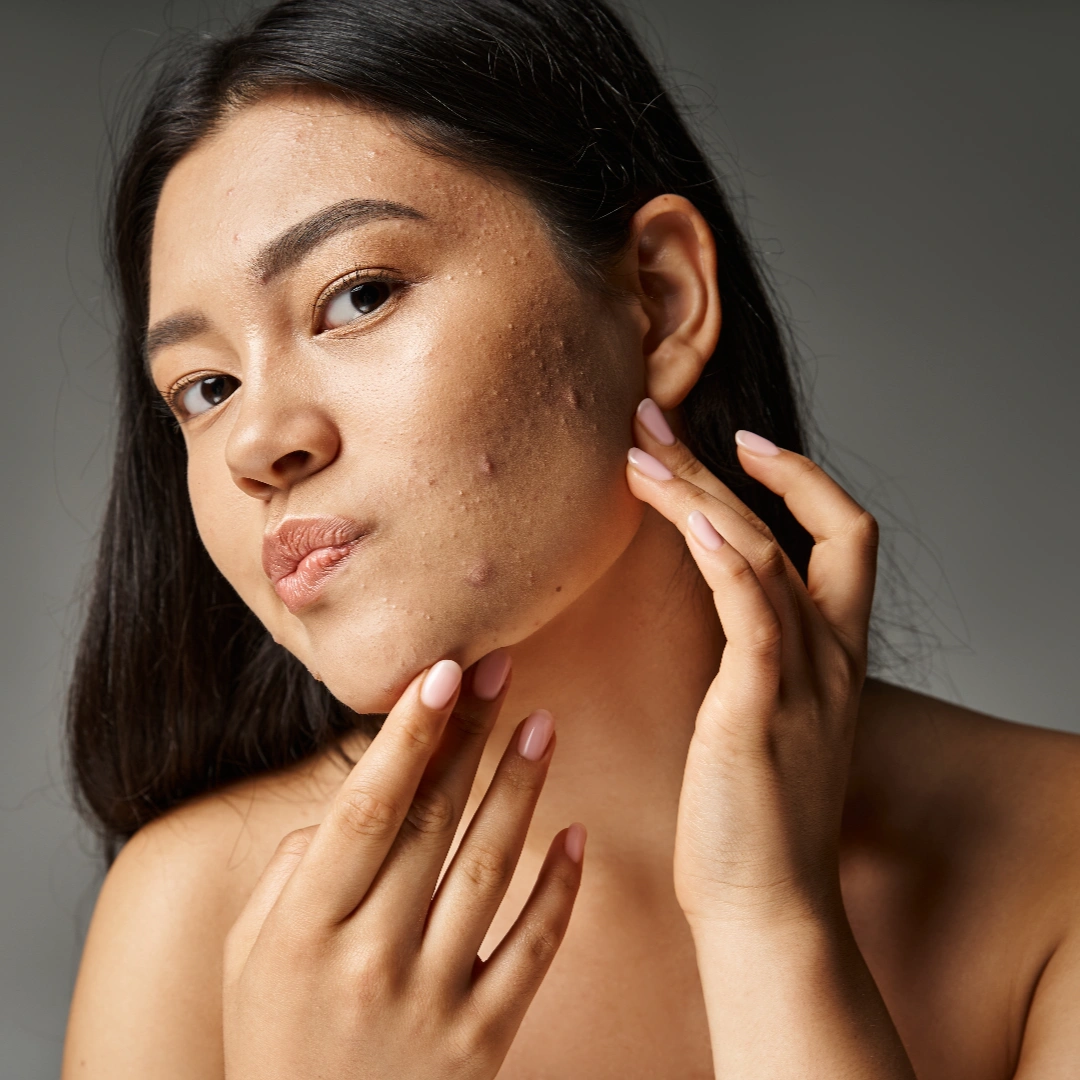
Acne is a common, yet treatable skin condition that affects people of all ages, with varying skin conditions and types.

Overview

Acne is a common skin condition that affects people of all ages, though it is most prevalent during adolescence and early adulthood. It occurs when hair follicles become clogged with oil and dead skin cells, leading to breakouts of whiteheads, blackheads or inflamed pimples. While acne is not a serious medical condition, it can cause discomfort, impact self-confidence, and, in some cases, lead to scarring if left untreated.

What is Acne?

Acne is a chronic skin condition that occurs when excess sebum and dead skin cells clog the pores. This creates an environment where bacteria can thrive, leading to inflammation, redness, and breakouts. Acne typically appears on the face, chest, back, and shoulders, which are areas with a higher concentration of oil glands.

Although acne is commonly associated with teenagers, it can persist into adulthood or even develop later in life due to hormonal changes, stress or other factors.
types of acne.
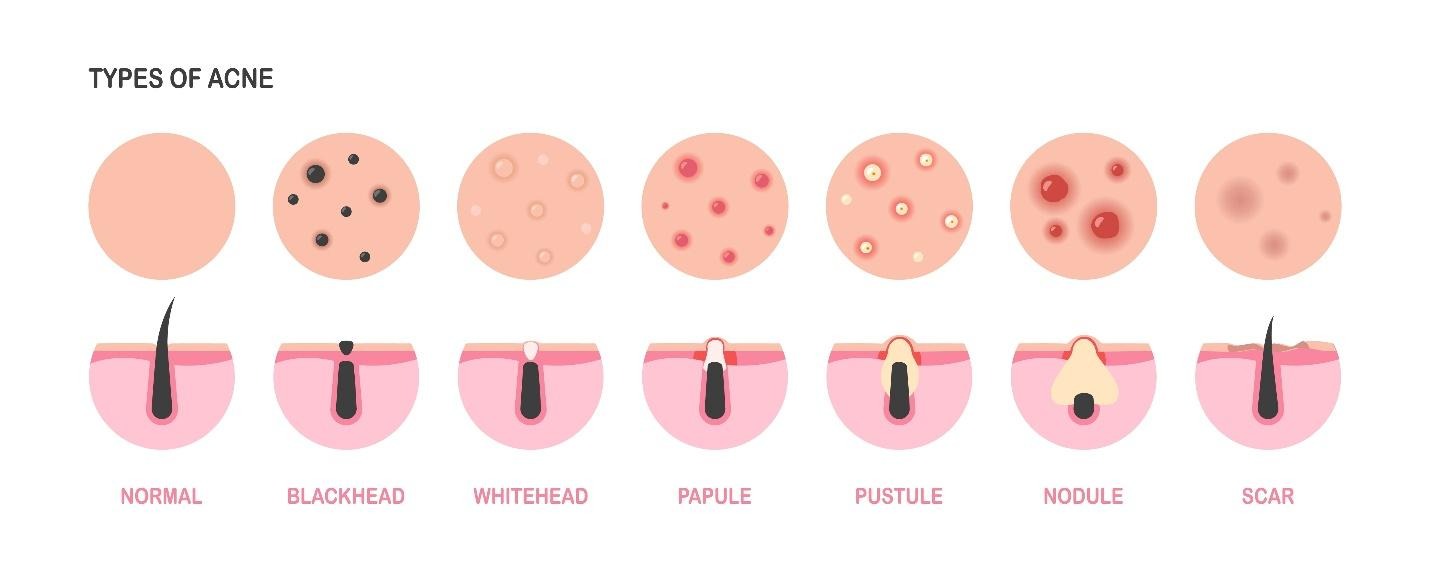
Acne is categorised into two categories, namely non-inflammatory acne and inflammatory acne.
There are several types of acne, which are classified into non-inflammatory and inflammatory types:
CHARACTERISTICS NON-INFLAMMATORY ACNE INFLAMMATORY ACNE
Definition The blemishes associated with non-inflammatory acne are closer to your skin’s surface, and usually are not swollen or painful. The pimples associated with inflammatory acne are deep in your skin and contain pus. They are inflamed, so they tend to be sore or painful.
Cause Clogged pores due to excess sebum and dead skin cells. Bacterial infection within clogged pores.
Appearance
  • Blackheads – open clogged pores that darken due to oxidation.
  • Whiteheads – small, closed bumps that form when the pores are clogged.
  • Cystic Acne – severe, pus-filled lumps that can cause scarring if untreated.
  • Nodules – large, painful lumps beneath the skin caused by deep inflammation.
  • Papules – small, inflamed red bumps that do not contain pus.
  • Pustules – pimples, filled with pus, often appearing as white or yellow spots.
Inflammation Absent. Present, causing redness, swelling or tenderness.
Severity Generally mild. It can range from mild to severe.
Scarring Less likely, but possible with picking or squeezing blemishes. More likely, especially with severe nodules and cysts.

Is Acne the same as Pimples?

Although the terms “acne” and “pimples” are often used interchangeably, they are not the same. Acne refers to the overall condition that leads to breakouts, while pimples are individual, inflamed blemishes that develop due to acne.

Someone with acne may experience multiple types of breakouts, including blackheads, whiteheads, pustules, and nodules.

What causes Acne?

The primary cause of acne is a combination of factors that contribute to clogged pores, bacterial growth, and inflammation. Additionally, some of the key causes include:

Sebum is the natural oil produced by sebaceous glands to keep the skin hydrated. However, when these glands become overactive, they produce excessive oil, leading to clogged pores. This is particularly common during hormonal changes, such as puberty, menstruation, pregnancy or stress, which can stimulate the sebaceous gland.

The skin constantly sheds dead cells. When these cells mix with excess sebum, they can accumulate inside the pores instead of shedding properly. This leads to blockages, forming whiteheads and blackheads, and eventually developing into inflamed pimples if bacteria are present.

The skin naturally hosts bacteria, including Cutibacterium acnes (C. acnes, formerly known as Propionibacterium acnes). When pores become clogged, these bacteria multiply rapidly, leading to inflammation. The immune system responds by sending white blood cells to fight the bacteria, resulting in red, swollen, and sometimes painful pimples.

A family history of acne increases the likelihood of developing the condition. If your parents or siblings experienced severe acne, you may have inherited overactive sebaceous glands or a tendency for inflammation, making you more prone to breakouts.

Fluctuations in hormones, particularly androgens, can stimulate excess sebum production. This explains why acne is common during puberty, menstruation, pregnancy, and conditions like polycystic ovary syndrome (PCOS). As such, increased testosterone levels, even in females, can also lead to more severe breakouts.

Although diet alone does not directly cause acne, certain foods may aggravate it. High-glycaemic foods, such as sugary snacks, processed foods, and refined carbohydrates, can spike blood sugar levels, triggering insulin production. This, in turn, stimulates oil glands and inflammation. Dairy products, particularly skim milk, have also been linked to increased acne severity due to their impact on hormones.

Stress does not directly cause acne, but it can worsen existing breakouts by increasing cortisol levels. High cortisol production triggers oil glands, leading to more clogged pores and inflammation. Additionally, poor sleep, smoking, and exposure to pollutants can further irritate the skin and disrupt its healing process.

Using comedogenic products, such as thick creams, certain foundations, and hair oils, can contribute to acne formation. Failing to remove makeup properly, over-exfoliating or using harsh cleansers can also damage the skin’s protective barrier, making it more prone to breakouts.

Who is at risk of developing Acne?

Although acne can affect anyone, certain groups are more prone to developing it, including:
  • Age – teenagers and young adults are more at risk of developing acne due to hormonal changes during puberty. This is because puberty triggers an increase in androgen levels, which stimulates the sebaceous glands to produce more oil. Excess sebum, combined with shedding skin cells and bacteria, clogs the pores, leading to breakouts.
  • Athletes – individuals who engage in intense physical activities, wear tight sports gear, or frequently sweat are at a higher risk of acne. This is because sweat, combined with oil and bacteria, can clog pores, especially when trapped under helmets, headbands or synthetic workout clothing.
  • Genetics – people with a family history of acne are at higher risk because genetics influence how the skin produces oil, and how sensitive it is to hormonal fluctuations.
  • Hormonal Fluctuations – women undergoing hormonal changes, such as during menstruation, pregnancy or menopause, are more prone to acne. This is because fluctuations in estrogen and progesterone levels can lead to increased sebum production.
  • Medications – individuals taking medications such as steroids, hormonal contraceptives or certain antidepressants may experience acne as a side effect, as these medications can alter hormone levels and affect oil production.
  • Oily Skin – individuals with naturally oily skin are more likely to develop acne because excess oil creates an environment where pores become clogged more easily. This increases the likelihood of bacterial growth and inflammation, leading to frequent breakouts.
  • Stress – people who experience chronic stress are more susceptible to acne due to increased cortisol production. This stress hormone stimulates oil production and can cause inflammation, making acne worse. Additionally, stress can lead to poor lifestyle habits, such as a lack of sleep or unhealthy eating, which further aggravate breakouts.
acne risk factors.
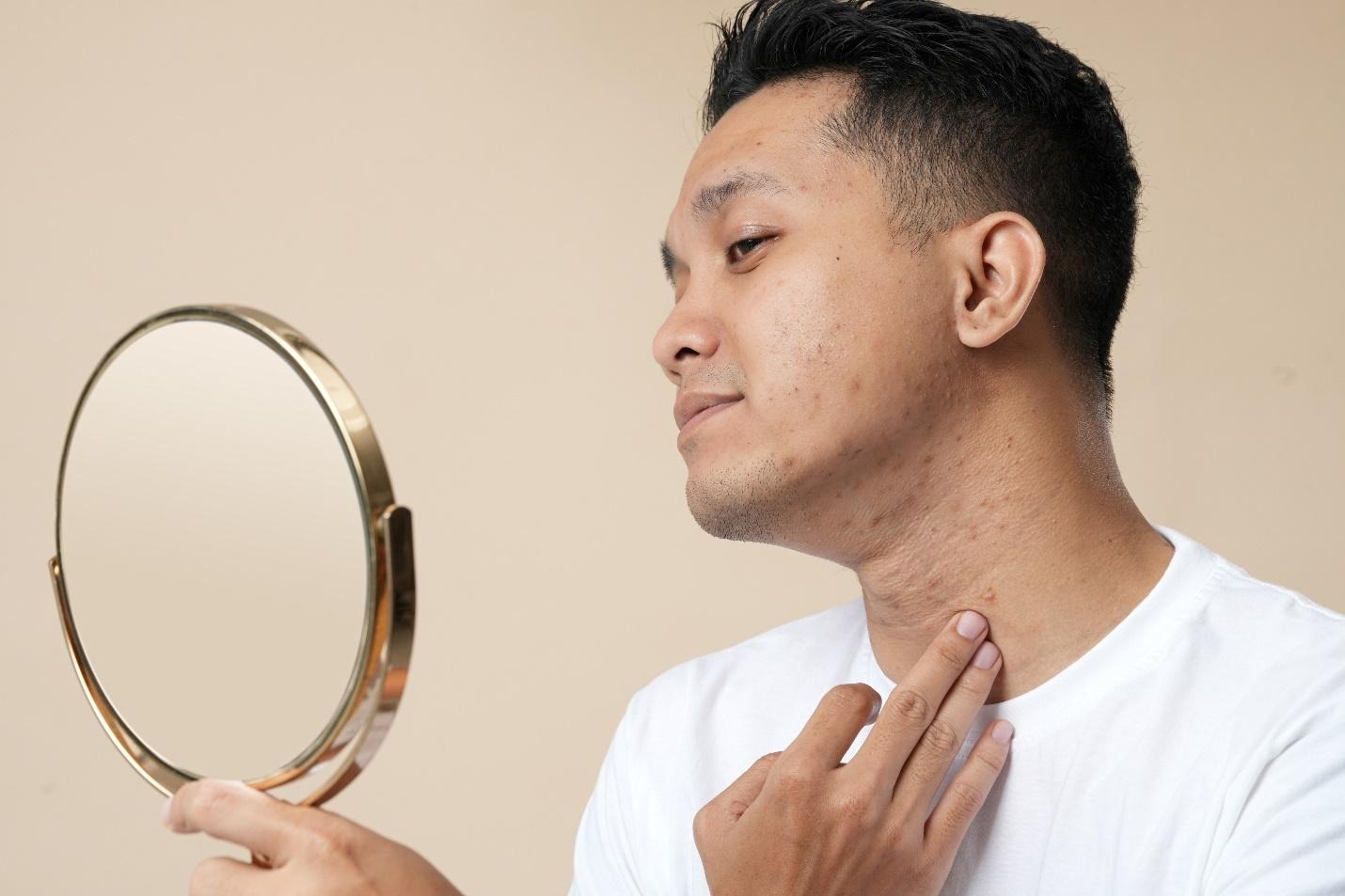
Acne is a common concern faced by all walks of life. However, it is more common among teenagers and young adults.

What worsens Acne?

Several factors can exacerbate acne, such as:

  • Certain medications
  • Dirty makeup brushes
  • Dirty pillowcases
  • Harsh skincare products
  • High-sugar and dairy-rich diets
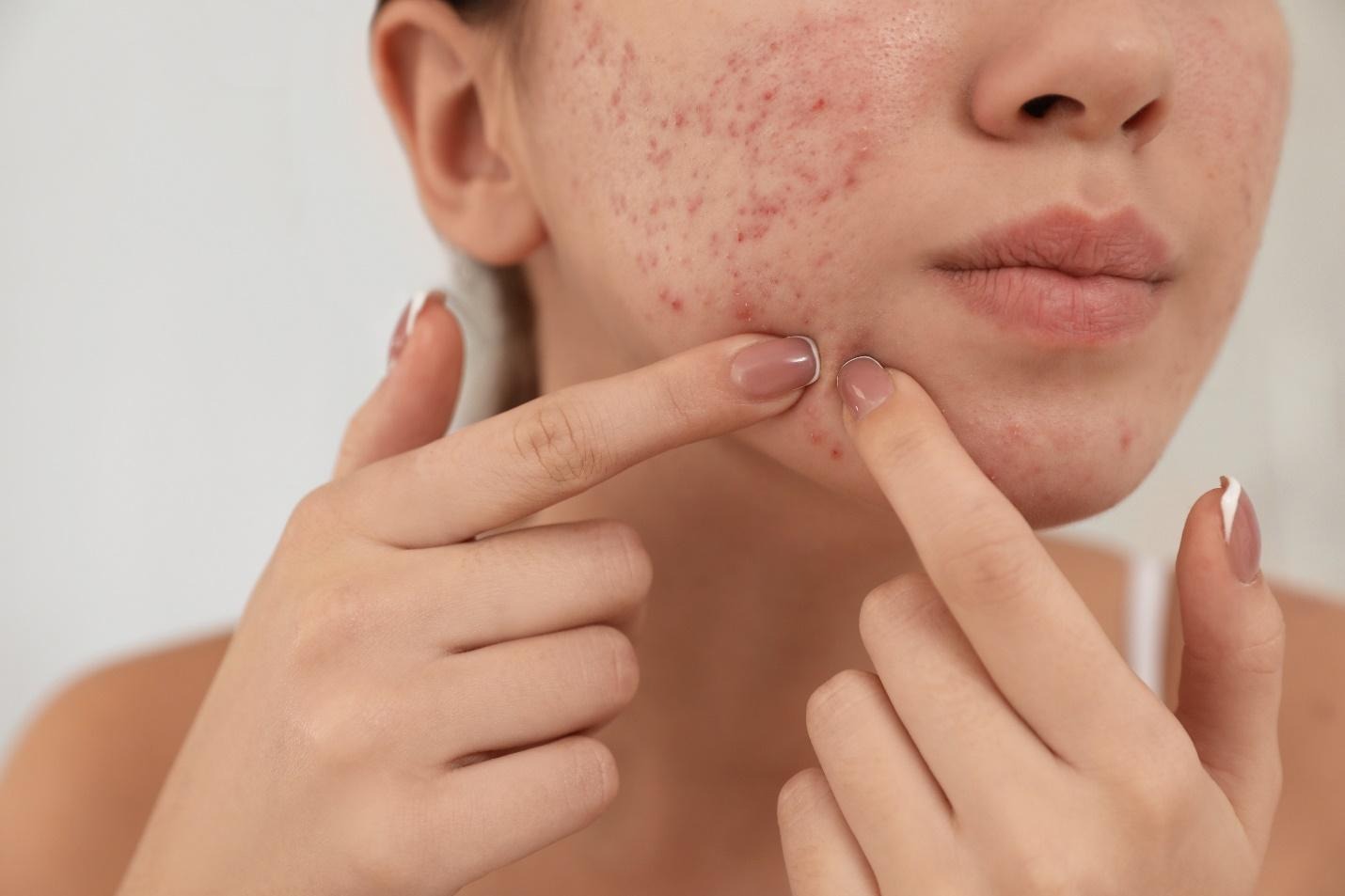
  • Picking or squeezing pimples

How is Acne diagnosed?

Our doctors start by examining your skin to assess the types of acne lesions present, their distribution, and the severity of breakouts. During this examination, they will check for:

  • Non-inflammatory lesions
  • Inflammatory lesions
  • Signs of post-inflammatory hyperpigmentation or scarring
  • The extent of the condition by examining the face, chest, back, and shoulders

Beyond physical examination and a skin analysis, our doctor may proceed with the following steps:

  • Assessing your medical history
  • Assessing your acne-related family history
  • Assessing your skincare routine
  • Asking about your dietary and lifestyle habits
  • Identifying stress triggers, such as hormonal fluctuations or medication use

Once our doctors have all the relevant information, it will aid them in classifying the severity of acne as per the following grades, which will guide the treatment decisions:
acne treatments.
It is important to determine the severity of your acne as it will help doctors to map out a personalised treatment plan that effectively treats your acne breakouts.
GRADE DESCRIPTION
Mild Acne (Grade I)
  • Mainly consists of blackheads and whiteheads with a few papules or pustules.
  • Usually confined to the face with little to no inflammation.
  • Often responds well to tropical treatments and proper skincare.
Moderate Acne (Grades II and III)
  • Includes multiple inflamed papules, pustules, with some nodules.
  • May affect larger areas, such as the back, chest or shoulders.
  • Higher risk of post-inflammatory hyperpigmentation or early scarring
Severe Acne ( Grade IV)
  • Characterised by deep, painful nodules and cysts.
  • Widespread breakouts with significant inflammation and redness. 
  • Requires medical intervention, such as oral medications or in-clinic treatments.
  • High risk of permanent scarring if left untreated.

How is Acne treated at Cove Aesthetics?

At Cove Aesthetic Clinic, we offer tailored and clinically proven treatments to help manage acne effectively. Our customised solutions include:
  • Acne Laser Therapy our acne laser therapy utilises targeted energy to reduce inflammation, kill acne-causing bacteria and regulate sebum production.
  • Chemical Peels Chemical peels involve exfoliating dead skin cells and unclogging pores while reducing post-inflammatory hyperpigmentation.
  • HydraFacial for Acne-Prone Skin our HydraFacial is a multi-step treatment that involves deep cleansing, exfoliating, and hydrating the skin while removing impurities.
  • Carbon Laser Peel our carbon laser peel is designed to minimise oil production, reduce acne bacteria, and improve overall skin texture.
  • LED Light Therapy our LED light therapy harnesses the technology of Blue light to eliminate bacteria, while red light reduces inflammation and promotes healing.
  • Medical-Grade Skincare we provide professional skincare solutions to complement in-clinic treatments and maintain results.
  • Steroid injections – an effective in-clinic treatment to reduce inflammation and flatten deep, cystic acne lesions within days. This is ideal for urgent flare-ups or stubborn spots.
is acne treatable.
Despite it being a common concern, acne is both manageable and treatable.

Manage your Acne today

At Cove Aesthetic Clinic, we recognise that not all acne is the same. Breakouts can vary in type, severity and underlying causes. That is why a one-size-fits-all approach does not work. The first step to achieving clear, acne-free skin is a proper consultation to assess your current skin condition and identify the root cause of your breakouts. This allows us to recommend ideal, evidence-based treatments tailored to your unique skin needs.

If you are struggling with acne, book a consultation with us today for a detailed diagnosis and personalised treatment plan.

Frequently Asked Questions

Yes, some acne lesions, such as nodules and cysts, can be painful due to deep inflammation. These types of acne require professional treatment to prevent scarring.
While acne can be managed effectively, it may not have a permanent cure. However, with the right treatments and skincare routine, breakouts can be significantly reduced and controlled.
Avoid picking at pimples, use gentle skincare products, maintain a healthy diet, and seek professional treatments for effective acne management.
Picking or squeezing pimples can damage the superficial skin layers and often leads to post- inflammatory hyperpigmentation. Inflamed acne lesions can damage the skin's deeper layers, causing collagen and tissue destruction. As the skin heals, it produces insufficient or disorganized collagen, leading to depressed (atrophic) scars such as ice-pick, boxcar and rolling scars.
Opt for non-comedogenic, oil-free, and fragrance-free products that suit your skin type. Ingredients like salicylic acid, benzoyl peroxide, and niacinamide can help control acne.
Not necessarily, but choose lightweight, non-comedogenic makeup, and remove it thoroughly before bed to prevent clogged pores. It also helps to ensure that your makeup tools (brushes and puffs) are cleaned regularly to prevent bacterial buildup.

NO TWO FACES ARE THE SAME, AND NEITHER ARE our treatments.

Customised treatment plans always work best. We tailor each treatment plan to your specific needs, ensuring you get the results you desire.  Our patient’s journey starts before their booking – and continues after their COVE experience.
Book an appointment
STEP ONE

Book a Consultation

We require new patients to attend a consultation with our doctors so we can better understand your aesthetic concerns. At Cove, we genuinely care for our patients. Consultations are in-depth, never rushed, and we will never recommend treatments that you do not need. Simply drop us a WhatsApp or a phone call to book an appointment!
STEP TWO

Come On Over

It’s time to come into COVE and meet us for your consultation! During this phase, we encourage you to maintain an open mind. While you may have a vision in mind, our doctors may offer different advice based on their assessment of your condition and desired treatment outcomes.
STEP THREE

Begin Your Transformation

You’ve consulted our Cove Experts, and the treatment plan has been discussed with you. We’re now ready to make your transformation happen! To ensure no time is wasted, we recommend starting your treatment in the same session as your consultation. You’ll love how each visit to COVE is a boost to your self-confidence! 

View More Concerns

Wheelock Place | 501 Orchard Rd, #04-07, Singapore 238880
Guoco Tower  | 7 Wallich Street, #B1-14, Singapore 078884

WHEELOCK PLACE (ORCHARD)

501 Orchard Rd, #04-07, Singapore 238880
hello@coveaesthetics.com.sg
(65) 6734 3977
(65) 8082 0998
Mon-Fri: 10:00am to 8:00pm

Sat: 9:30am to 4:00pm 

Closed on Sundays & PH

GUOCO TOWER (TANJONG PAGAR)

7 Wallich Street, #B1-14, Singapore 078884
hello@coveaesthetics.com.sg
(65) 8339 3518
(65) 8339 3518
Mon-Fri: 10:00am to 8:00pm

Sat: 9:30am to 4:00pm 

Closed on Sundays & PH
Copyright © 2026 Cove Aesthetic Clinic. All Rights Reserved.
Copyright © 2026 Cove Aesthetic Clinic.
All Rights Reserved.
chevron-down