Skin Tags

Treatment at a Glance

TREATMENT TIME
45 minutes

DURATION
Up to 4 - 6 months
DOWNTIME
Minimal to none
NUMBING
Yes
skin tags Singapore.
Skin tags are extremely common, affecting up to half of all adults at some point in their lives.

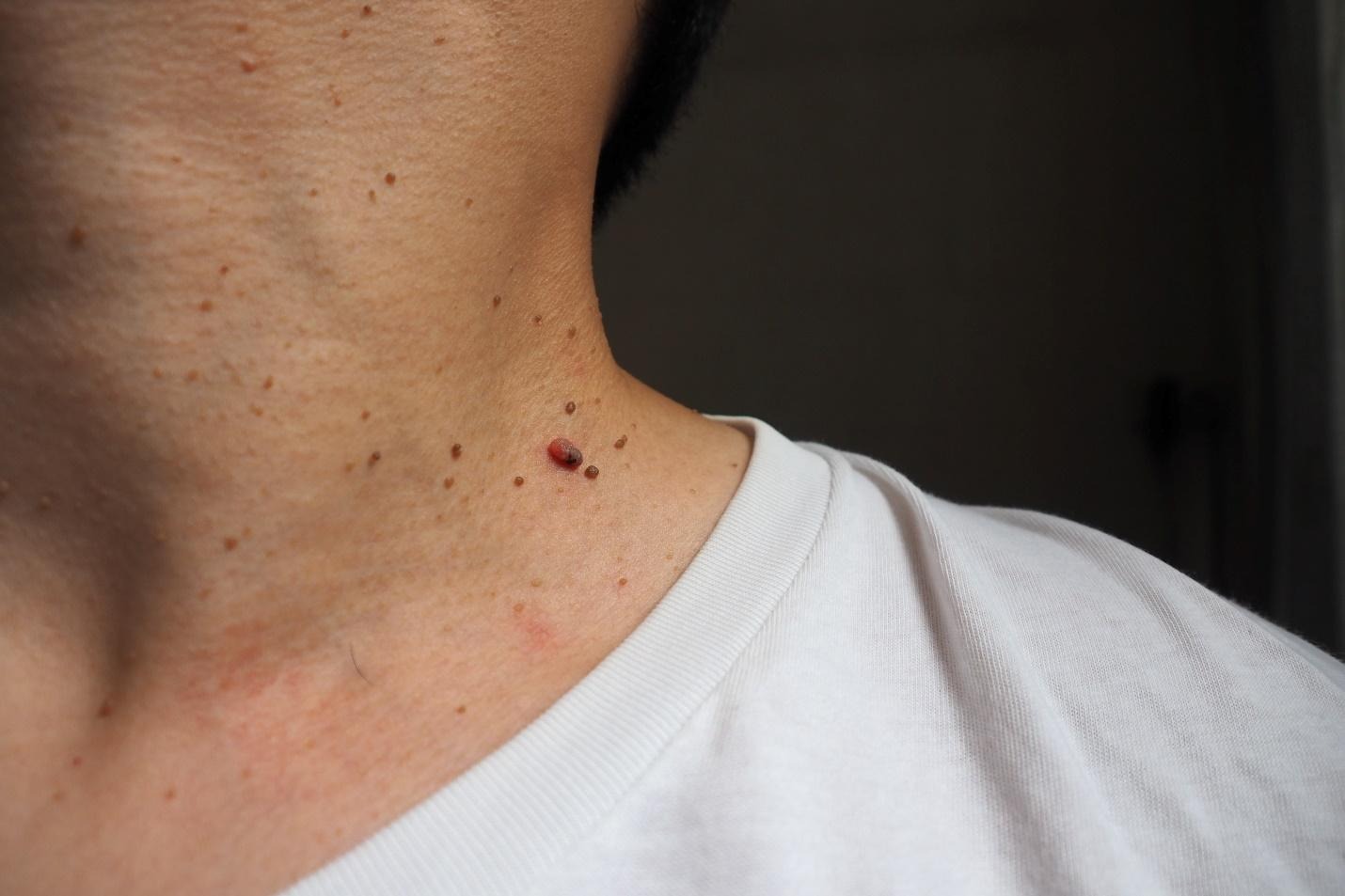
Skin tags, medically known as acrochordons, are small, soft and flesh-coloured growths that hang from the surface of the skin. They are made up of normal skin and connective tissue, and are completely benign.

These harmless growths tend to appear in areas of friction or movement, such as the neck, underarms, groin or eyelids. Over time, skin rubbing against skin or clothing can cause these tiny protrusions to form.

While they do not cause medical harm, many people choose to remove them for comfort or cosmetic reasons, especially when they snag on clothing or jewellery, or appear visible in areas like the neck or face.

Are Skin Tags dangerous?

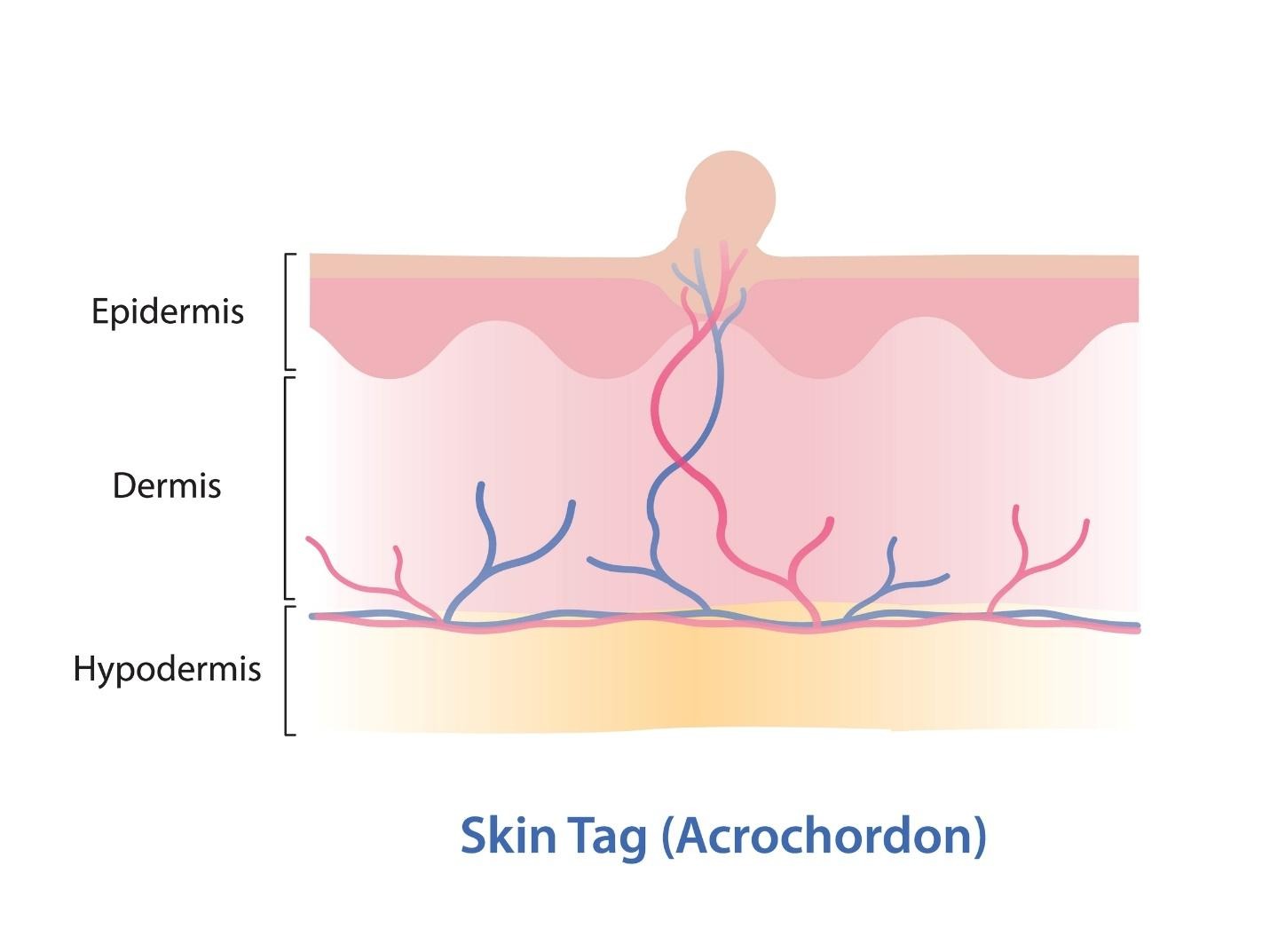
Skin tags are not dangerous.They are benign (non-cancerous) growths that commonly develop in areas where the skin rubs against itself or clothing, such as the neck, armpits, groin, and eyelids. They are composed of collagen and small blood vessels surrounded by skin.

That said, you should consult a doctor if:

  • The tag changes in colour, size, or shape
  • It becomes painful, irritated, or bleeds
  • You are unsure whether the growth is a skin tag or another type of lesion (such as a mole or wart)

Otherwise, skin tags are harmless and can be removed safely for aesthetic or comfort reasons.

What other growths can look like Skin Tags?

Skin tags are extremely common. That is why it is easy to assume that every small bump on the skin is one. However, some growths that appear similar can be quite different in origin and, in some cases, may require medical attention.

Some skin growth that can resemble skin tags is:

  • Moles – often flat or slightly raised, moles can be similar in size or colour to skin tags but are generally more pigmented.
  • Warts – these are caused by the human papillomavirus (HPV), with the warts tend to have a rougher texture and can spread through contact.
  • Seborrhoeic keratosis – the growth usually appears as brown or black waxy patches that can look like stuck-on scabs. These are benign but may occur with age and sun exposure.
  • Certain types of skin cancer – although rare, some form of basal cell carcinoma can resemble a flesh-coloured skin tag.
  • Neurofibromas (neurofibromatosis type 1) – these benign nerve sheath tumours can mimic the look and feel of soft, hanging skin tags.

What causes Skin Tags?

The exact reason skin tags form is not fully known. But most experts agree that friction plays a major role. When skin consistently rubs against itself or clothing, small clusters of cells may begin to overgrow, forming a soft protrusion supported by a tiny stalk.

These tags are composed of normal epidermal and fibrous tissue, meaning they are not infections or tumours. They are purely small and benign overgrowths.
In addition to friction, other possible contributing factors include:
  • Genetics, which can predispose certain individuals to develop multiple tags over time.
  • Metabolic changes, such as insulin resistance or hormonal fluctuations.
  • Underlying conditions, like Birt-Hogg-Dube syndrome, which is rare but can cause multiple benign skin growths.
causes of skin tags.
Friction, hormonal changes and genetics can all contribute to the development of skin tags.

Who is more likely to develop Skin Tags?

Skin tags can appear on anyone, but certain factors make them more likely to form. This may include:

  • Age – they are most common among middle-aged and older adults, as the skin naturally loses elasticity and experiences more friction.
  • Genetic factors – family history can play a role, especially if multiple relatives develop similar lesions.
  • Hormonal changes – pregnancy and hormonal fluctuations may stimulate growth factors that trigger skin tag formation.
  • Diabetes – insulin resistance is thought to promote abnormal cell growth, leading to multiple tags.
  • Obesity – increased skin folds and moisture make rubbing and irritation more likely, encouraging the growth of tags.

While these growths are harmless, a sudden increase in number, especially around the neck or underarms, may potentially indicate metabolic imbalance or insulin resistance.
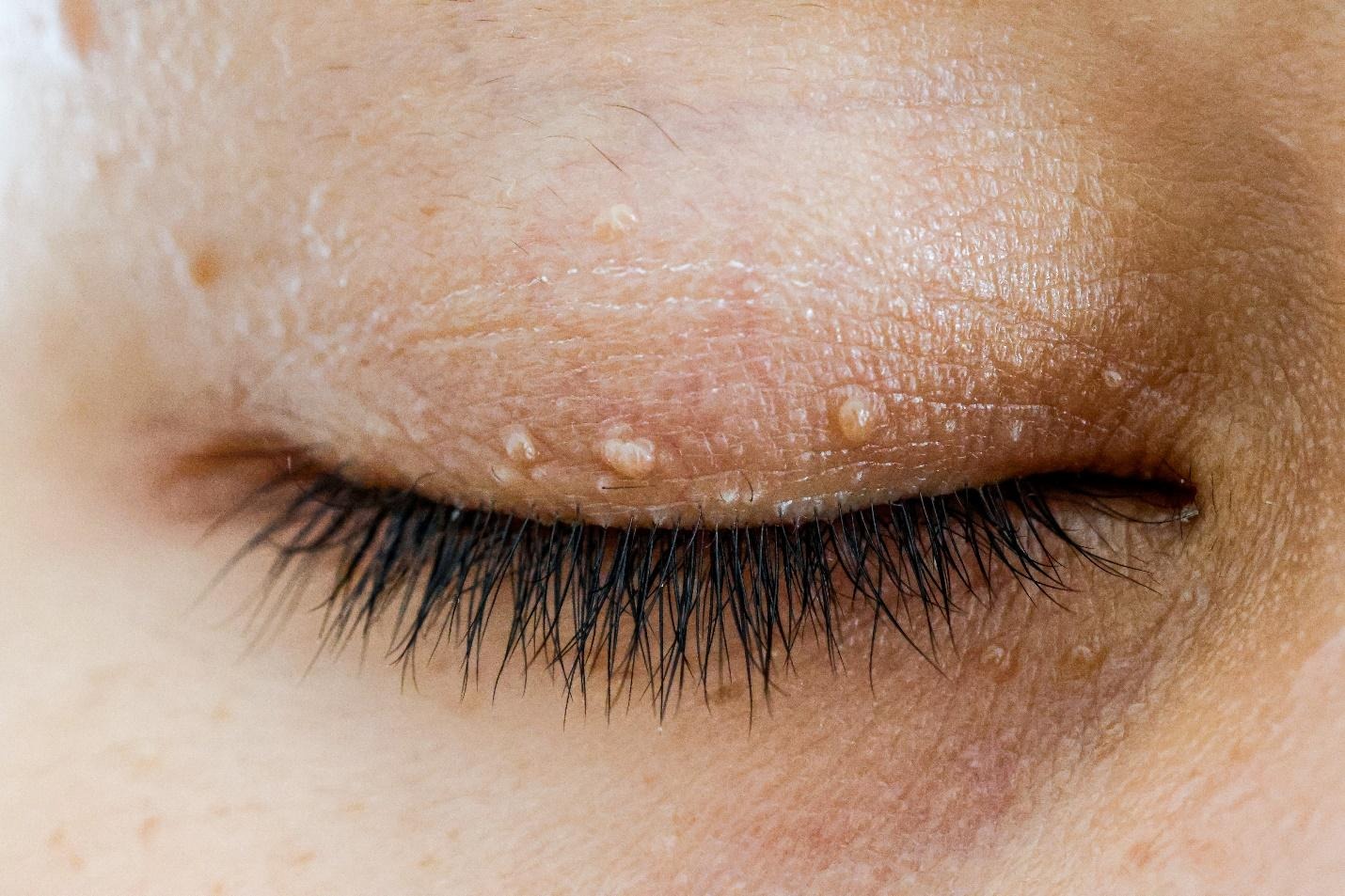
where do skin tags form.
Skin tags may form even on delicate areas like the eyelids, where the skin naturally folds and rubs.

When should you consider Skin Tag removal?

Most skin tags do not need treatment. However, removal is recommended when they become:

  • Painful or irritated, especially if they catch on zippers, jewellery or clothing
  • Inflamed, from constant rubbing or shaving
  • Cosmetically bothersome, particularly when located on visible areas like the face or neck
  • Changes in appearance, such as bleeding, darkening or rapid growth

Is it safe to remove Skin Tags yourself?

It may be tempting to remove a skin tag yourself. But doing so can cause more harm than good. In fact, some of the common risks include:

  • Bleeding – larger skin tags contain small blood vessels that can bleed heavily
  • Infection – using unsterile tools or touching open wounds increases the risk of bacterial infection
  • Misdiagnosis – self-removal risks mistaking a potentially cancerous lesion for a skin tag, delaying important treatment
  • Recurrence – incomplete removal often leads to regrowth
  • Scarring – improper cutting or tying can damage the surrounding tissue

How are Skin Tags diagnosed in Singapore?

Diagnosing skin tags is typically a simple and quick process. In most cases, an experienced doctor can make the diagnosis based on a visual examination. However, an accurate diagnosis remains important as other conditions, like moles or warts, can sometimes resemble skin tags.

During your initial consultation, our doctors will:
  • Clinical assessment – they will examine the lesion’s colour, texture, size and location to confirm whether it is a skin tag or another growth. The surrounding skin may also be checked for additional lesions or signs of irritation.
  • Dermatoscopic evaluation – a handheld magnifying device called a dermatoscope is used to view the structure beneath the skin’s surface. This helps identify subtle features that confirm a benign skin tag.
  • Medical history review – our doctor may ask about recent skin changes, friction-prone habits, hormonal fluctuations or family history of similar growths to understand possible triggers.
  • Skin biopsy – if the lesion looks unusual, a small biopsy may be taken for laboratory analysis. This ensures the growth is not a form of skin cancer or another condition requiring different treatment.
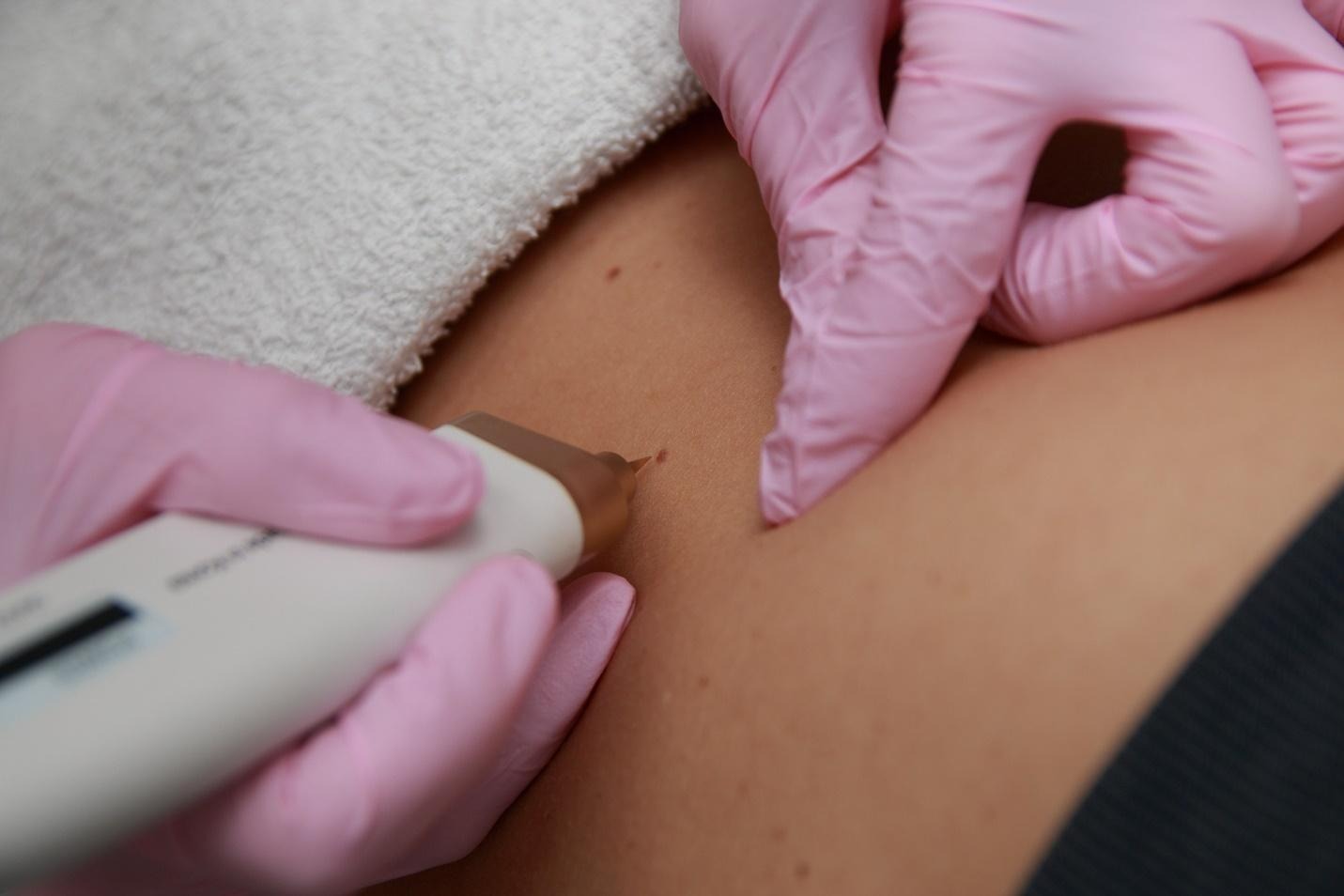
skin tag treatments.
A doctor’s assessment ensures that every growth isoperly diagnosed and safely treated.

How are Skin Tags treated in Singapore?

The removal procedure is quick, effective and designed for minimal discomfort. Each method is chosen according to the tag’s size, number and location. This ensures the best cosmetic outcome with minimal risk of scarring.

Some of the treatment options include:

A snip excision is a precise technique where the skin tag is carefully clipped off using sterile surgical scissors. This method provides instant results and is ideal for small and isolated growths. Other than offering precision, it also offers:

  • Immediate removal with no waiting period
  • Quick healing and minimal downtime
  • Tissue preservation if biopsy is needed

Liquid nitrogen is applied to freeze the tissue, causing the tag to dry up and fall off naturally within a few days. The treatment is non-invasive and is designed to:

  • Treat multiple small tags at once
  • Lower the risk of bleeding as the tag detaches on its own
  • Offers little to no scarring once healed

Electrosurgery is a controlled electrical current that gently burns and removes the skin tag while sealing blood vessels at the same time. The benefits of this procedure include:

  • Highly precise with excellent control
  • Minimal bleeding and infection risk
  • Suitable for delicate or hard-to-reach areas like the eyelids

For larger or thicker tags, the growth is shaved off flush with the surrounding skin under local anaesthesia. The healing is usually smooth and quick, as well as:

  • Ideal for larger or more prominent skin tags
  • Local anaesthesia ensures comfort throughout
  • Produces smooth and even results with minimal marks

By using specialised Nd:YAG or CO2 laser systems, this technique vaporises skin tags without direct contact. This makes it one of the cleanest and most precise removal options. The benefits of this procedure are:

  • Contact-free and hygienic
  • Minimal bleeding and downtime
  • Reduces the risk of infection
  • Exceptional cosmetic outcome with little to no scarring

Smooth, clear skin starts with expert care

Skin tags may be harmless, but professional removal ensures your skin looks and feels its best. This is all achieved safely, comfortably and without unwanted marks. At Cove Aesthetic Clinic, every procedure is handled with precision and care, combining dermatological expertise with specialised techniques for optimal cosmetic results.

Whether your skin tags are irritating or you simply wish to restore a smoother appearance, our experienced team is here to help. We will assess your skin, recommend the most suitable removal method and ensure you are comfortable every step of the way.

Book your consultation today and take the first step towards clearer, healthier-looking skin. Rest assured that you will be safely treated by professionals who understand both medical precision and aesthetic detail.

Frequently Asked Questions

No. Skin tags are not caused by bacteria or viruses, and they cannot spread from person to person.
Yes. When performed by a qualified doctor, skin tag removal is quick, safe and has minimal risk of scarring or infection. At-home removal methods are discouraged, as they can lead to bleeding, infection and incomplete removal.
Scarring is rare when removal is done professionally. Techniques such as laser treatment and electrocautery are designed to minimise trauma to the surrounding skin for smooth healing.
Most patients find the procedure very tolerable. For larger tags, a numbing cream or local anaesthetic may be used to ensure comfort throughout the treatment.

Healing is usually fast, within 5 to 10 days. You may notice mild redness or scabbing, which will fade as the skin recovers. Following aftercare instructions helps minimise irritation and ensures optimal healing.

If the entire base of the tag is removed, it typically does not return. However, new tags may develop in other areas over time, especially if you have risk factors such as friction, hormonal changes or insulin resistance.

A sudden appearance of multiple skin tags could be related to hormonal changes, weight gain or insulin resistance. While not harmful, this may be a sign to check for underlying metabolic conditions such as diabetes.

While not entirely preventable, maintaining a healthy weight, reducing friction in skin folds and keeping your skin clean and dry can help lower the likelihood of developing new tags.

Costs depend on the number of tags, their size and the removal method used. A consultation with our doctor will allow them to assess your condition and recommend the most effective and affordable treatment plan for your needs.

skin tag treatments.skin tag treatments.

NO TWO FACES ARE THE SAME, AND NEITHER ARE our treatments.

Customised treatment plans always work best. We tailor each treatment plan to your specific needs, ensuring you get the results you desire.  Our patient’s journey starts before their booking – and continues after their COVE experience.
Book an appointment
STEP ONE

Book a Consultation

We require new patients to attend a consultation with our doctors so we can better understand your aesthetic concerns. At Cove, we genuinely care for our patients. Consultations are in-depth, never rushed, and we will never recommend treatments that you do not need. Simply drop us a WhatsApp or a phone call to book an appointment!
STEP TWO

Come On Over

It’s time to come into COVE and meet us for your consultation! During this phase, we encourage you to maintain an open mind. While you may have a vision in mind, our doctors may offer different advice based on their assessment of your condition and desired treatment outcomes.
STEP THREE

Begin Your Transformation

You’ve consulted our Cove Experts, and the treatment plan has been discussed with you. We’re now ready to make your transformation happen! To ensure no time is wasted, we recommend starting your treatment in the same session as your consultation. You’ll love how each visit to COVE is a boost to your self-confidence! 

View More Concerns

Wheelock Place | 501 Orchard Rd, #04-07, Singapore 238880
Guoco Tower  | 7 Wallich Street, #B1-14, Singapore 078884

WHEELOCK PLACE (ORCHARD)

501 Orchard Rd, #04-07, Singapore 238880
hello@coveaesthetics.com.sg
(65) 6734 3977
(65) 8082 0998
Mon-Fri: 10:00am to 8:00pm

Sat: 9:30am to 4:00pm 

Closed on Sundays & PH

GUOCO TOWER (TANJONG PAGAR)

7 Wallich Street, #B1-14, Singapore 078884
hello@coveaesthetics.com.sg
(65) 8339 3518
(65) 8339 3518
Mon-Fri: 10:00am to 8:00pm

Sat: 9:30am to 4:00pm 

Closed on Sundays & PH
Copyright © 2026 Cove Aesthetic Clinic. All Rights Reserved.
Copyright © 2026 Cove Aesthetic Clinic.
All Rights Reserved.
chevron-down