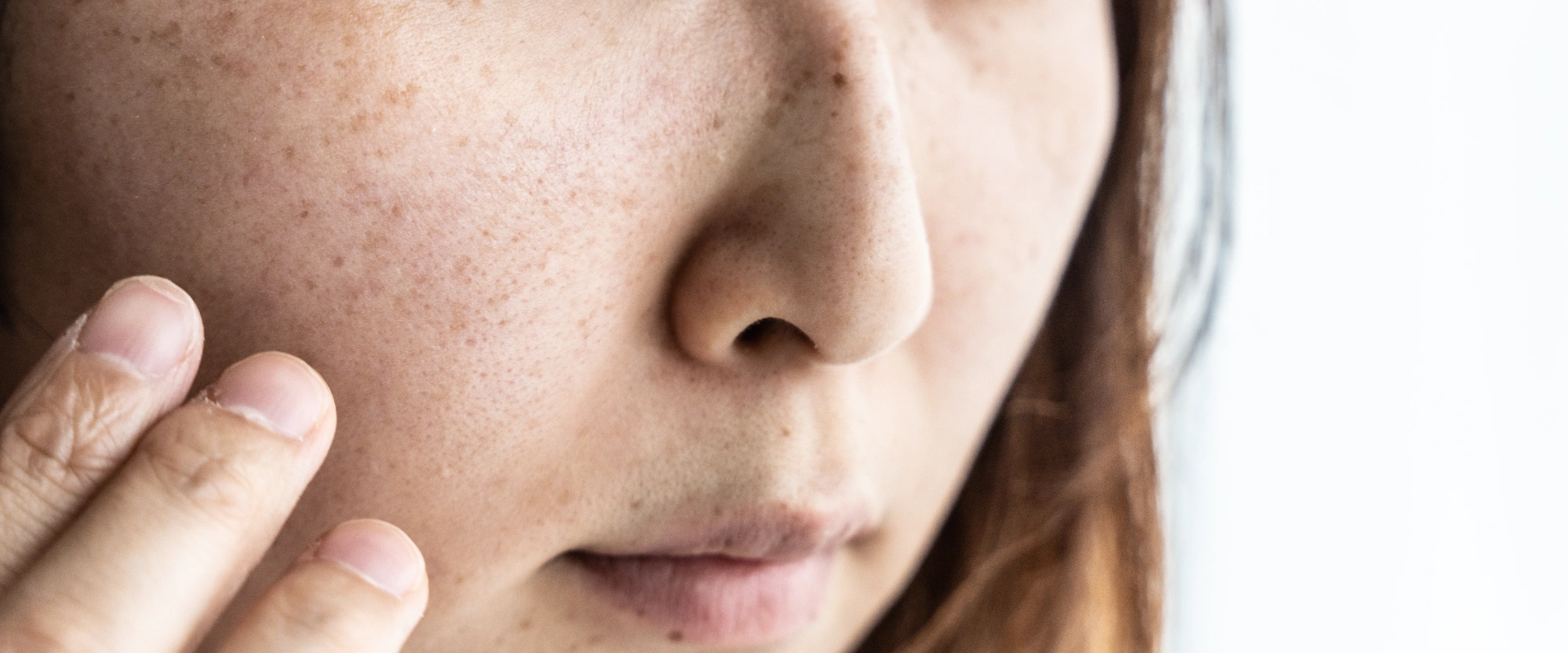
Pigmentation refers to the colouring of your skin, which is determined by melanin. Melanin is a pigment produced by specialised skin cells called melanocytes. While melanin helps protect your skin from sun damage, an imbalance in its production can lead to skin discolouration.
When your skin produces too much or too little melanin, it can lead to visible discolouration, such as dark patches, white spots, or an uneven skin tone. These changes may affect how your skin looks and feels, potentially impacting your self-esteem and confidence over time.
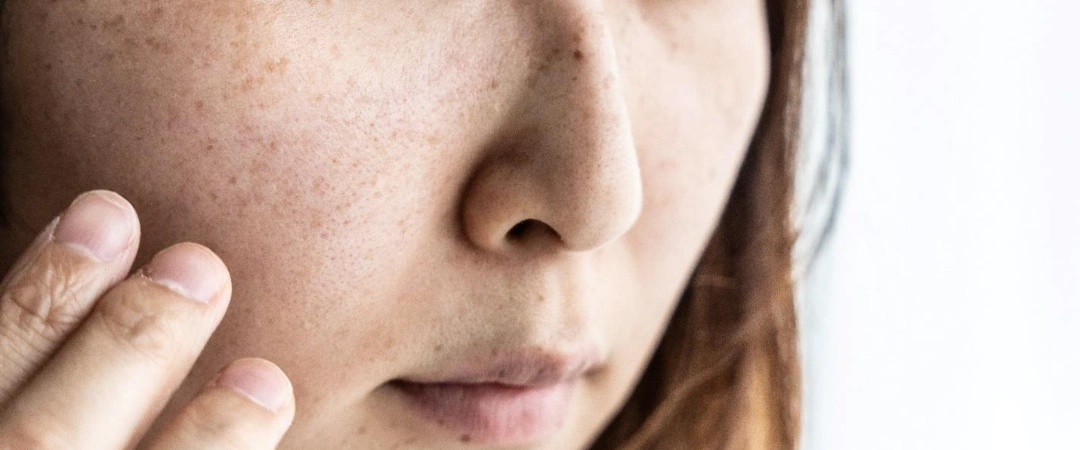
There are two main types of pigmentation, which are:
Hyperpigmentation happens when the skin produces excess melanin, leading to spots or patches that appear darker than your normal skin tone. The sub-types are:
Hypopigmentation results from a lack of melanin and appears as pale or white patches on the skin. This includes:
Pigmentation changes occur when the skin’s normal melanin production is disrupted. These cells sit in the bottom layer of the skin’s epidermis and pass melanin to surrounding skin cells to create a consistent skin tone.
However, when the skin is exposed to certain triggers, whether internal or external, the activity of melanocytes can become imbalanced. This can lead to:
Some of the potential triggers include:
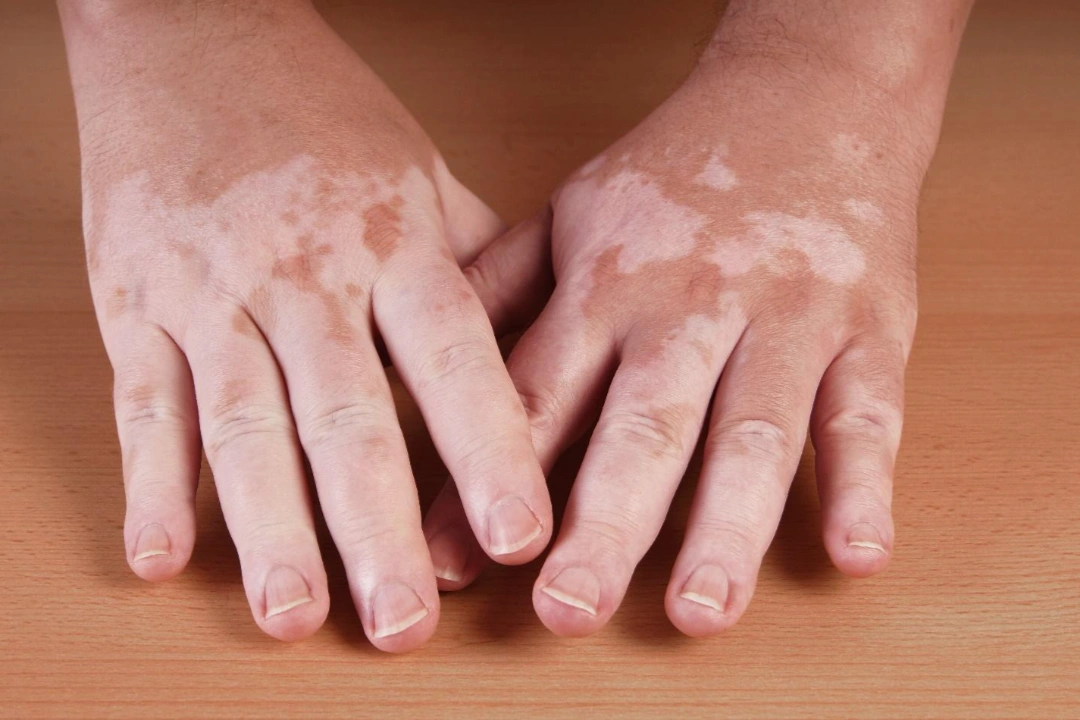
| Type of Pigmentation | Hyperpigmentation | Hypopigmentation |
|---|---|---|
| Symptoms |
|
|
Although pigmentation concerns can affect anyone, some individuals are naturally more prone to developing uneven skin tone or discolouration. Your skin type, lifestyle, genetics, and even environment can increase your susceptibility to both hyperpigmentation and hypopigmentation.
Factors that increase risk of pigmentation include:
Benign moles typically have a consistent and predictable appearance. As such, knowing what normal moles look like helps you detect any changes that may warrant medical attention.
These characteristics include, but are not limited to:
We understand that every pigmentation case is unique. That is why we take a comprehensive and personalised approach to diagnosis, ensuring we understand both the underlying cause and depth of pigmentation before recommending treatment.
Our diagnostic procedure usually involves:
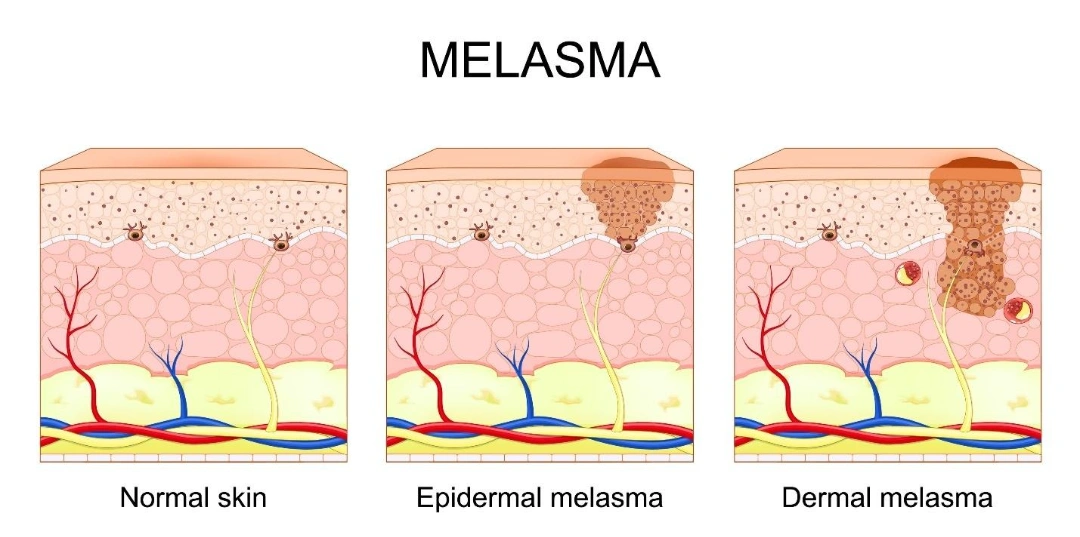
There is no universal cure for pigmentation. But with the right combination of in-clinic treatments and skincare, many types of pigmentation can be significantly improved and reduced.
At Cove Aesthetic Clinic, we tailor your treatment plan based on:
Once our medical team obtains all the information, they may formulate a treatment plan that consists of one or a combination of the following treatments:
The pico laser is a treatment of choice as it is suitable for all skin types. It directly breaks down pigments into smaller fragments that are later taken out of our bodies by our immune system. It is also often combined with other laser types to specifically target features associated with the pigmentation so as to achieve better treatment outcomes. These include:
This treatment combines micro-gold needling with skin-brightening serums and gentle laser energy. The gold-plated needles help deliver active ingredients directly into the skin while enhancing absorption and stimulating collagen. Gold-X is suitable for improving uneven tone, mild pigmentation, and overall skin radiance.
This modern laser breaks down pigment into tiny particles using ultra-short bursts of energy. Unlike traditional lasers, pico lasers target melanin without causing damage to surrounding tissue, making it suitable for all skin types, including sensitive and darker tones. It is especially effective for sunspots, freckles, and PIH.
Our dermatologist may recommend medical-grade topical products to enhance your treatment. Some of these options include:

Struggling with dark spots or uneven skin tone can be frustrating, but you do not have to live with it. At Cove Aesthetic Clinic, we are here to help you feel confident in your skin again. With expert care, personalised assessments, and medical-grade treatments tailored to your needs, achieving a clearer, more luminous complexion is entirely possible.
Not always. Some types of pigmentation, like PIH, may fade over time with proper skincare. However, deeper or chronic pigmentation, such as melasma or sunspots, often requires professional treatments to improve or clear.
Most pigmentation treatments are well-tolerated. Pico Laser procedure may cause mild warmth or tingling during the session. Topical numbing cream can be applied beforehand to ensure your comfort.
Yes, when performed by a trained medical professional using the right technology. Our dermatologists carefully assess your skin type and tailor treatments to minimise risk and maximise safety, especially for those with sensitive or darker skin tones.
With the right combination of laser treatments, medical-grade skincare, and consistent sun protection, many patients see significant improvement. While some pigmentation can be fully removed, others, like melasma, may require ongoing management to prevent recurrence.
Results vary depending on the type and severity of pigmentation, as well as the treatment method. Some patients notice visible improvement within 2 to 4 weeks, while deeper pigmentation may require multiple sessions over several months for optimal results.
Pigmentation can return if sun protection and maintenance skincare are not followed. Conditions like melasma and post-inflammatory pigmentation can be triggered by hormonal changes or inflammation, so long-term care is important to maintain results.
While some ingredients like vitamin C, niacinamide, or azelaic acid may help lighten mild pigmentation, deeper or persistent cases often require professional intervention for safe and effective results.