HAIR Removal

Treatment at a Glance

TREATMENT TIME
FROM 15 - 30 minutes
DURATION
Up to 12 months
DOWNTIME
Minimal to none
NUMBING
Yes
Unwanted hair is something almost everyone deals with — whether it’s stray facial hairs that keep reappearing, irritation from constant shaving, or patches of darker hair that feel more noticeable than you’d like. While body hair is completely natural and serves its purpose, managing it can sometimes feel like an endless cycle.

For many, unwanted hair goes beyond a cosmetic concern. It can cause skin irritation, ingrown hairs, or feelings of self-consciousness, especially when it appears in visible areas such as the face, underarms or legs. Some people also experience changes in hair growth due to hormones, age or certain medical conditions and medications.

There are several ways to remove unwanted hair, ranging from DIY home devices to in-clinic laser treatments — each with different levels of efficacy, safety profiles, and treatment durations. Generally, medical-grade hair removal treatments are more efficacious, and offer longer-lasting, often permanent hair reduction compared to other methods. At Cove Aesthetic Clinic, our doctors take a personalised, evidence-based approach to hair removal, ensuring each treatment is tailored to your skin type, hair texture and comfort level for safe, effective results.

What causes excess or unwanted  
 hair?

Hair growth is controlled by a complex balance of hormones, genetics and skin physiology. Each hair grows from a follicle, which passes through a repeating cycle of growth (anagen), rest (telogen) and shedding (catagen).

Excess or unwanted hair may occur when this natural cycle is overstimulated or disrupted, often due to hormonal influences or increased follicular sensitivity to androgens.

Some of the key causes include:

  • Hormonal imbalance – elevated androgen levels, such as in polycystic ovary syndrome (PCOS) or adrenal gland disorders, can lead to heavier, thicker and darker hair growth.
  • Genetic predisposition – some individuals naturally have more active hair follicles or higher baseline androgen sensitivity, which influences the density and coarseness of hair.
  • Endocrine conditions – issues affecting hormone regulation, such as thyroid disorders, can alter normal hair patterns.
  • Medications – drugs containing testosterone, anabolic steroids or certain hormonal therapies can stimulate unwanted hair growth.
  • Post-hair removal stimulation – temporary regrowth after shaving, waxing or plucking can give the appearance of thicker hair, although the follicle itself remains unchanged.

Who is more likely to develop excess hair?

Anyone can develop unwanted hair growth, but certain factors may make it more likely. This includes:
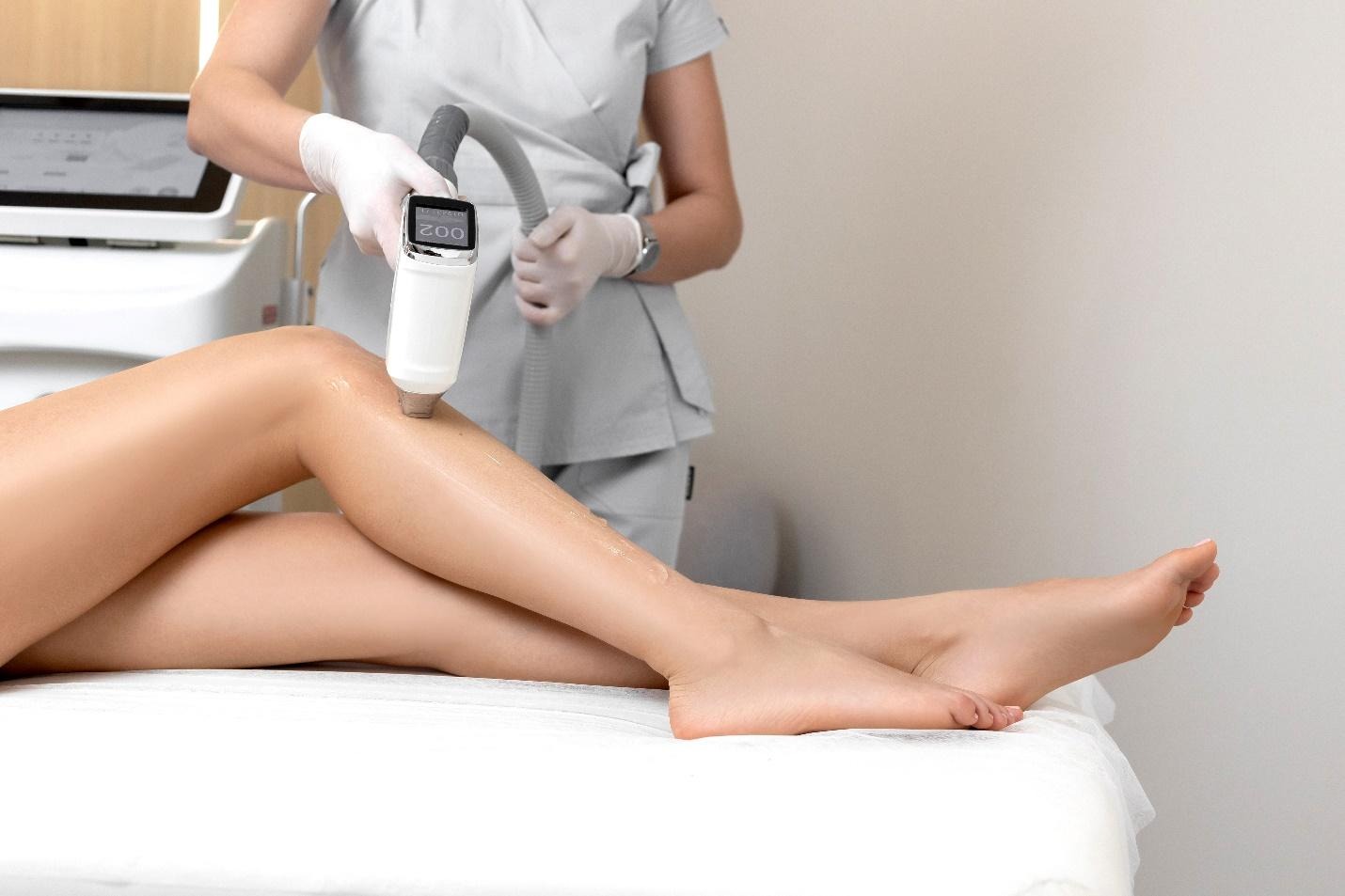
hair removal Singapore.
Professional hair removal not only helps to smoothen the skin but also reduces irritation, ingrown hairs and the need for constant upkeep.

How are unwanted hair conditions diagnosed?

A proper diagnosis ensures that your treatment plan addresses both the cosmetic concern and any underlying cause. During your consultation, our doctors will typically assess:

  • Hair pattern and distribution – to determine whether the growth is within normal variation or hormonally influenced.
  • Skin tone and sensitivity – this helps identify the most suitable laser settings for safe and precise results.
  • Medical and hormonal background – including menstrual patterns, medication history and other symptoms that may suggest a hormonal imbalance.
  • Blood tests (if necessary) – to measure hormone levels or rule out underlying conditions like PCOS or thyroid disorders.

How is unwanted hair removed?

Hair can be removed through various methods, from simple at-home techniques to professional laser treatments performed in clinics. These options differ in effectiveness, safety and how long results last. In general, medical-grade laser treatments provide more effective and longer-term hair reduction compared to other approaches.

Temporary methods focus on removing hair from the skin’s surface or root without affecting the follicle’s ability to regrow hair.

  • Shaving – shaving cuts the hair at the surface of the skin using a razor. While it provides instant smoothness, hair grows back within days since the follicle remains intact. 
  • Waxing and plucking – both waxing and plucking pull the hair out from the root. Waxing can cover larger areas, while plucking is more suitable for smaller spots like the eyebrows or chin. Because the follicle stays in place, hair eventually regrows, typically after 2 to 4 weeks. Repeated waxing may make regrowth finer over time, but it can also cause skin irritation, pigmentation, and increase the risk of ingrown hairs.
  • Depilatory creams – depilatory creams dissolve the hair shaft just below the skin’s surface using chemical agents. They are easy to use at home but can sometimes cause chemical irritation dermatitis, presenting as redness, itching, or rash in the treated area.

Semi-permanent methods target the deeper part of the hair follicle, slowing down regrowth over time.

  • Electrolysis – electrolysis works by inserting a fine probe into each follicle to deliver a small electric current that destroys the hair root. It can produce permanent results, but since every follicle is treated separately, it is a time-consuming process. That is why it is more suitable for small areas such as the upper lip or chin.
  • Intense Pulsed Light (IPL) – IPL uses broad-spectrum light to heat and damage the hair follicle, reducing regrowth. While it can produce good results for lighter skin tones with darker hair, it may be less precise than medical-grade lasers and may not be suitable for all skin types.

Laser hair removal is one of the most reliable options for long-term reduction of unwanted hair. It works by selectively targeting melanin, the pigment in the hair shaft.

When the laser light is absorbed by melanin, it converts into heat energy, which travels down the shaft to the follicle and safely disables it from producing new hair. Over time, as more follicles are treated and their regrowth cycle slows, you’ll notice less and finer hair growth. Because the light is precisely focused, the surrounding skin remains unharmed, and is suitable for most skin types.
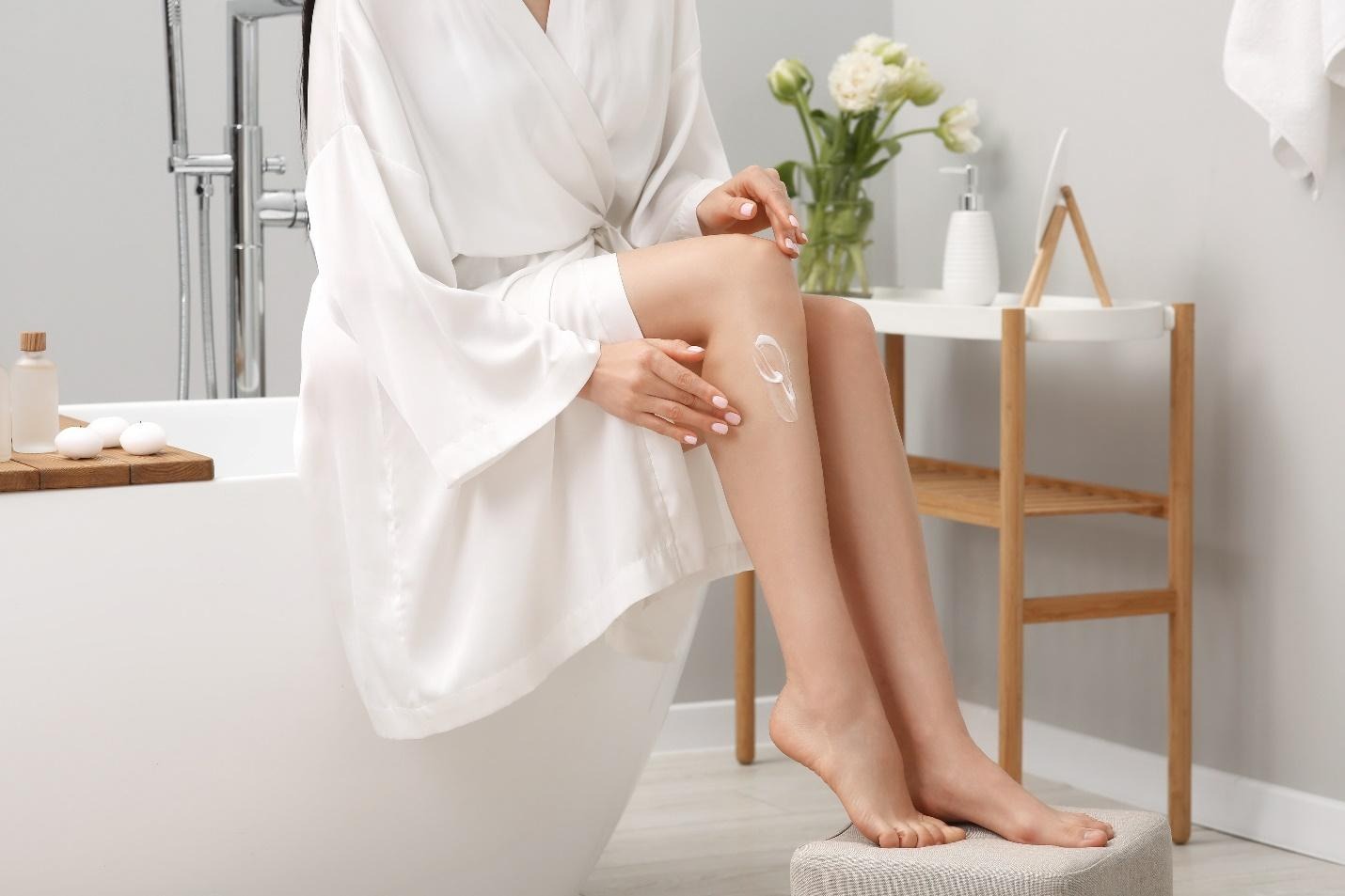
Post-care after hair removal

Our doctors will provide specific guidance based on your treatment type and skin sensitivity, but here are some general recommendations to follow:
  • Protect your skin from the sun – after hair removal, your skin may be more sensitive to UV rays. Apply a broad-spectrum sunscreen (SPF 30 or higher) daily and avoid direct sun exposure for at least one week. If you must be outdoors, wear protective clothing or seek shade whenever possible.
  • Keep the area clean and cool – gently cleanse the treated area with mild, fragrance-free products to prevent irritation or infection. Avoid hot showers, saunas,steam rooms, and exercise for the first 24 to 48 hours, as heat can worsen redness or swelling.
  • Avoid harsh products or exfoliants – steer clear of strong skincare ingredients such as retinoids, acids (AHA/BHA) and scrubs for several days post-treatment. Allow your skin time to recover naturally before resuming your usual skincare routine.
  • Stay hydrated and moisturised – use a light, soothing moisturiser or aloe vera gel to calm the skin and reduce dryness or flaking. Drinking plenty of water also supports skin healing from within.
  • Avoid plucking or waxing between sessions – if you are undergoing a series of laser hair removal treatments, do not pluck or wax the treated area, as these methods remove the hair follicle and can reduce the effectiveness of the laser. Shaving is safe if needed, since it only trims the hair above the skin and does not affect the follicle. It is generally recommended to shave 1–3 days before your session, depending on the area being treated.
  • Watch for unusual reactions – mild redness, tingling or sensitivity is common after treatment and usually settles within a few hours to a day. However, if you notice blistering, pain, swelling or prolonged irritation, contact us promptly for advice.
what to do after hair removal.
Proper aftercare helps soothe the skin, reduce the risk of irritation or inflammation, and supports optimal skin recovery.

Book an Appointment

Unwanted hair can be a source of frustration, but it does not have to be a lifelong concern. With the right professional guidance and treatment plan, smoother and clearer skin is within reach. At Cove Aesthetic Clinic, our doctors tailor each approach to your skin type, hair texture and comfort level to ensure safe, effective and lasting results.

If you are looking to understand more about the available treatment options, then schedule your appointment today and take the first step towards feeling confident and comfortable in your own skin.
Frequently Asked Questions

Yes. Body hair is completely natural and serves several purposes, including temperature regulation and protection from friction. Some people choose to remove it for medical reasons such as ingrown hair or folliculitis, while others remove it for aesthetic, cultural or comfort reasons.
Hair removal can be done almost anywhere, including the face, underarms, arms, legs, chest, back and bikini line. The choice of method depends on the sensitivity of the area and how long you want the results to last.
Typically, 6 to 10 sessions spaced 4 to 6 weeks apart are recommended for optimal results. The exact number varies based on hair density, area treated and individual response.
Yes, but the method should be selected with care. Sensitive skin is more prone to redness, irritation, or discomfort after shaving, waxing, or certain creams. Choosing gentler techniques and ensuring proper soothing aftercare can significantly reduce irritation and improve tolerance.
Ingrown hairs occur when new hair curls back into the skin instead of growing outward. This can lead to small, inflamed bumps or even infection. Exfoliating gently, using clean tools and keeping the skin moisturised can help prevent this. Laser treatments also reduce the risk by targeting the follicle directly.
The safest method depends on your skin type, hair texture and the area being treated. Shaving and waxing are common at-home options, but they can sometimes cause irritation or ingrown hairs. Professional treatments like medical-grade laser hair removal offer longer-lasting results with minimal risk when performed by trained practitioners.
Absolutely. Men often seek laser hair removal for areas such as the chest, back, or beard line to achieve a cleaner, more refined appearance.
No, laser hair removal does not make hair grow back thicker. The laser targets the hair follicle, weakening it over time, which reduces hair growth. Some people may notice fine, lighter “regrowth” after sessions, but this is normal and temporary. Hair appearing thicker is usually due to natural hair growth cycles or untreated areas, not the laser itself.
Cleanse the area and avoid applying lotions, oils or deodorants beforehand. If shaving, use a sharp, clean razor with a moisturising gel. For professional treatments, our doctors will give specific pre-care instructions to ensure the best results.
hair removal Singapore.

NO TWO FACES ARE THE SAME, AND NEITHER ARE our treatments.

Customised treatment plans always work best. We tailor each treatment plan to your specific needs, ensuring you get the results you desire.  Our patient’s journey starts before their booking – and continues after their COVE experience.
Book an appointment
STEP ONE

Book a Consultation

We require new patients to attend a consultation with our doctors so we can better understand your aesthetic concerns. At Cove, we genuinely care for our patients. Consultations are in-depth, never rushed, and we will never recommend treatments that you do not need. Simply drop us a WhatsApp or a phone call to book an appointment!
STEP TWO

Come On Over

It’s time to come into COVE and meet us for your consultation! During this phase, we encourage you to maintain an open mind. While you may have a vision in mind, our doctors may offer different advice based on their assessment of your condition and desired treatment outcomes.
STEP THREE

Begin Your Transformation

You’ve consulted our Cove Experts, and the treatment plan has been discussed with you. We’re now ready to make your transformation happen! To ensure no time is wasted, we recommend starting your treatment in the same session as your consultation. You’ll love how each visit to COVE is a boost to your self-confidence! 

View More Concerns

Wheelock Place | 501 Orchard Rd, #04-07, Singapore 238880
Guoco Tower  | 7 Wallich Street, #B1-14, Singapore 078884

WHEELOCK PLACE (ORCHARD)

501 Orchard Rd, #04-07, Singapore 238880
hello@coveaesthetics.com.sg
(65) 6734 3977
(65) 8082 0998
Mon-Fri: 10:00am to 8:00pm

Sat: 9:30am to 4:00pm 

Closed on Sundays & PH

GUOCO TOWER (TANJONG PAGAR)

7 Wallich Street, #B1-14, Singapore 078884
hello@coveaesthetics.com.sg
(65) 8339 3518
(65) 8339 3518
Mon-Fri: 10:00am to 8:00pm

Sat: 9:30am to 4:00pm 

Closed on Sundays & PH
Copyright © 2026 Cove Aesthetic Clinic. All Rights Reserved.
Copyright © 2026 Cove Aesthetic Clinic.
All Rights Reserved.
chevron-down