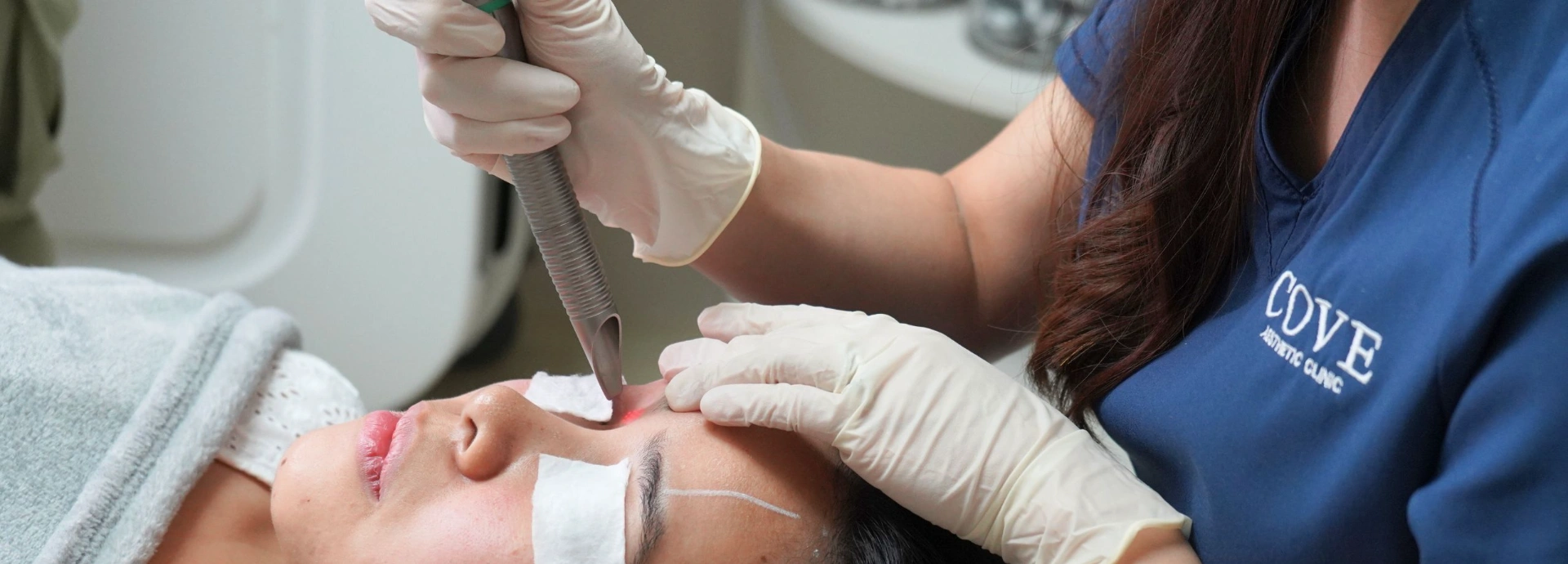
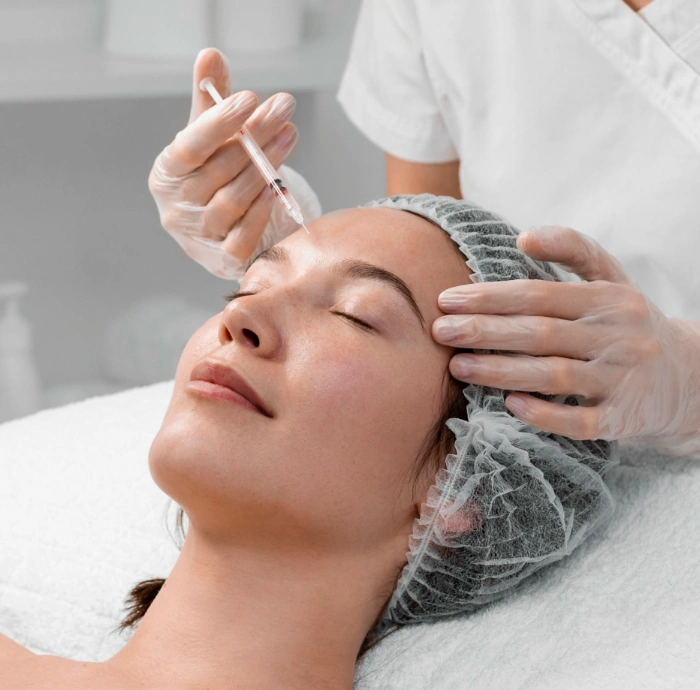
ACNE Scars

Acne scars are textural changes or marks left on the skin after severe acne lesions heal. When acne breakouts penetrate deep into the skin, they damage collagen, and elastin, which are essential for skin structure and repair.

These scars can appear on the face, chest, back, and shoulders — areas where acne is most common. However, the severity of scarring depends on several factors, including the type of acne, how long it persists, and whether the skin was manipulated, such as picking or squeezing pimples.

TYPES OF  Acne Scars 

Acne scars manifest in various forms, and are primarily classified into two categories, namely atrophic (depressed), and hypertrophic (raised) scars.

Atrophic (Depressed) Scars

These scars occur when the skin loses tissue during the healing process, leading to depressions or indentations. The main subtypes include:
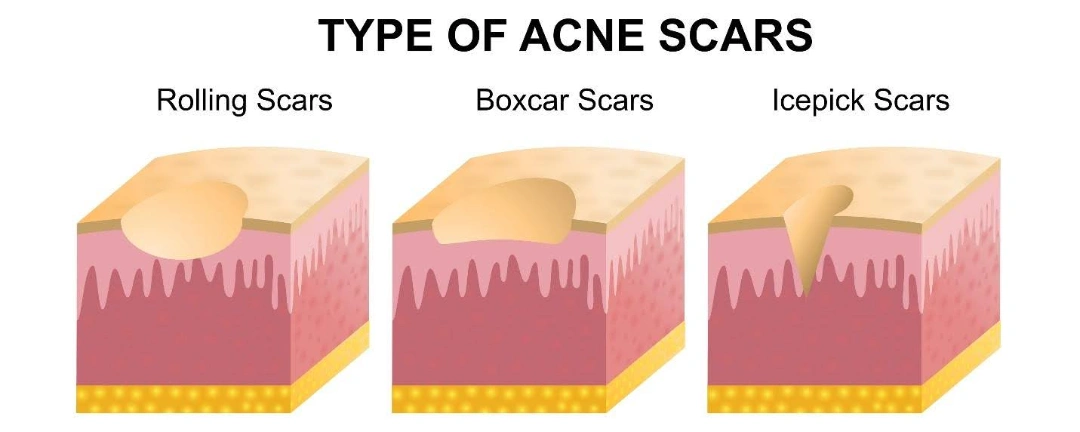
  • Boxcar scars – broad, rectangular depressions with sharp edges, varying in size from 1.5 to 4 mm across. 
  • Ice pick scars – deep, narrow scars that extend into the dermis, resembling puncture marks. 
  • Rolling scars – wide, shallow depressions with a wavy appearance, typically 4 to 5 mm across. 
  • Hypertrophic scars – raised, firm scars that stay within the boundaries of the original acne lesions.
  • Keloid scars – thick, raised scars that grow beyond the original acne site.
types of acne scars.
The type of acne scars depends heavily on your skin’s healing process.

Hypertrophic (Raised) Scars

Hypertrophic scars form when the skin produces excessive collagen during the wound-healing process, resulting in thick, raised scars. These scars remain within the original acne lesion’s boundary, and may feel firm or rubbery to the touch. They are more commonly seen in areas like the chest, back, jawline, and shoulders, where the skin is thicker, and acne lesions tend to be deeper.
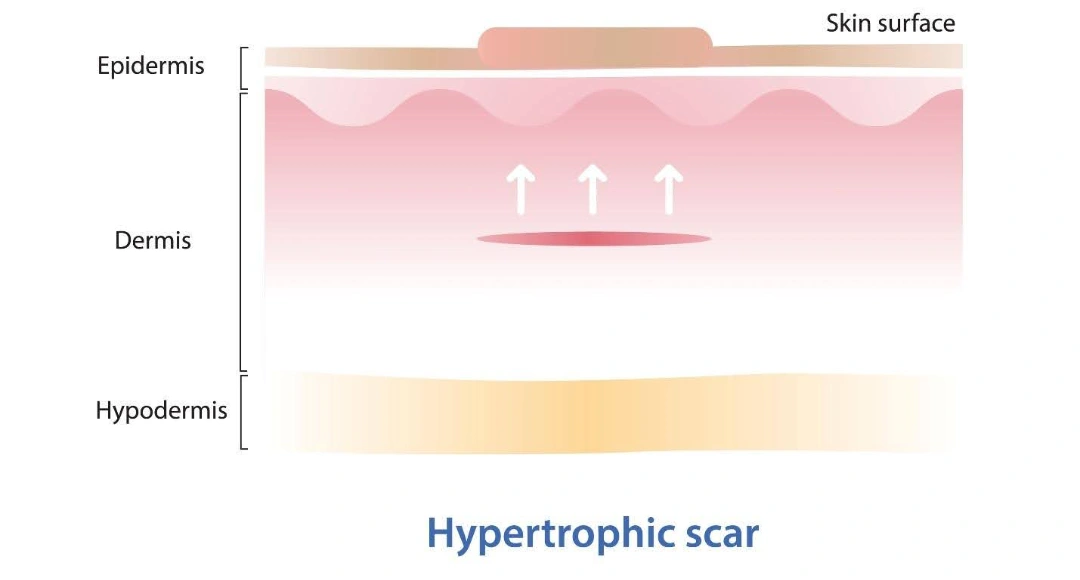
what are hypertrophic scars.
Hypertrophic scars are formed when the body produces excess collagen during the healing process, resulting in raised bumps on the skin’s surface.

Keloid Scars

Keloid scars are an aggressive form of hypertrophic scars that grow beyond the original wound site. They occur when the skin overproduces collagen in response to inflammation, leading to thick, raised, and sometimes itchy or painful scar tissue. Keloids are more common in individuals with darker skin tones, and often develop on the chest, shoulders, and jawline.

Post-Inflammatory Hyperpigmentation (PIH)

PIH is a skin discolouration that occurs after an acne lesion heals, leaving behind dark brown, red or purple marks. Although PIH is not a true scar, it can take weeks or even months to fade, especially in individuals with darker skin tones, who are more prone to pigmentation changes. This happens due to excess melanin production triggered by inflammation. Sun exposure can worsen PIH, making it essential to use sun protection.

HOW DO Acne Scars FORM?

Acne scars develop due to deep inflammation that damages the skin’s underlying structures, particularly collagen, and connective tissue. When an acne lesion, such as a papule, pustule or cyst, penetrates deep into the skin, it triggers an inflammatory response. This inflammation disrupts the normal healing process, leading to scarring.

The way the skin repairs itself determines the type of scar that forms:
CAUSES DESCRIPTION
Insufficient collagen production When the skin does not produce enough collagen during the healing process, it leaves behind depressions or indentations known as atrophic scars. Deep inflammation from severe acne destroys collagen fibres. If the body fails to regenerate enough collagen, the skin surface remains uneven.
Excess collagen production In some cases, the body overproduces collagen when repairing acne damage. This results in hypertrophic or keloid scars, which are thick and raised. Intense or prolonged inflammation overstimulates fibroblasts, creating too much collagen and leaving bumpy skin behind.
Excess melanin production Acne can trigger post-inflammatory hyperpigmentation (PIH), where dark marks remain even after the blemish heals. Inflammation stimulates melanocytes to produce excess pigment , resulting in brown, red, or purple spots that can take months to fade.

RISK FACTORS FOR Acne Scarring 

Even though acne scarring is common, it does not affect everyone equally. This is because certain factors can increase the likelihood of developing scars. The severity of acne, how the skin heals, and even genetic predisposition all play a role in determining whether acne leaves long-term marks.

Some of the key factors that increase the risk of acne scarring are:
KEY FACTORSDESCRIPTION
Severe or cystic acne
  • Deep, inflamed acne lesions such as nodules and cysts penetrate the lower skin layers, causing significant tissue damage.
  • The intense inflammation triggers an aggressive healing response, often leading to permanent scars.
  • Cystic acne is more likely to cause atrophic scars due to the destruction of collagen and skin structure.
Picking or squeezing the pimples
  • Disrupts the healing process and pushes bacteria deeper, worsening inflammation.
  • Physical trauma increases tissue damage and makes scars more severe.
  • Raises the risk of post-inflammatory hyperpigmentation (PIH).
Genetic predisposition
Skin type and tone
  • Darker skin tones are more prone to PIH (dark marks rather than raised scars).
  • Lighter skin tones are more prone to redness and atrophic scarring due to less melanin.
  • Oily or acne-prone skin types are more likely to develop frequent breakouts and scarring.
Slow wound healing or sensitive skin
  • Some people heal slowly or react strongly to inflammation, leading to more scarring.
  • Individuals with conditions that impair healing, like diabetes, may experience deeper or longer-lasting scars.
Delayed or improper treatment
  • Untreated acne allows inflammation to linger, increasing permanent damage.
  • Lack of timely treatment leads to repeated breakouts and scarring cycles.
  • Harsh skincare products may irritate the skin and worsen scar formation.
Frequent sun exposure without protection
  • UV rays darken existing scars and slow healing.
  • Sun damage increases melanin production, worsening PIH.

How are Acne Scars diagnosed?

Diagnosing acne scars is a straightforward procedure that typically starts with a professional skin assessment. This step is crucial as it helps to determine the type, and severity of acne scars. Beyond a skin assessment, the diagnostic procedure may also entail:
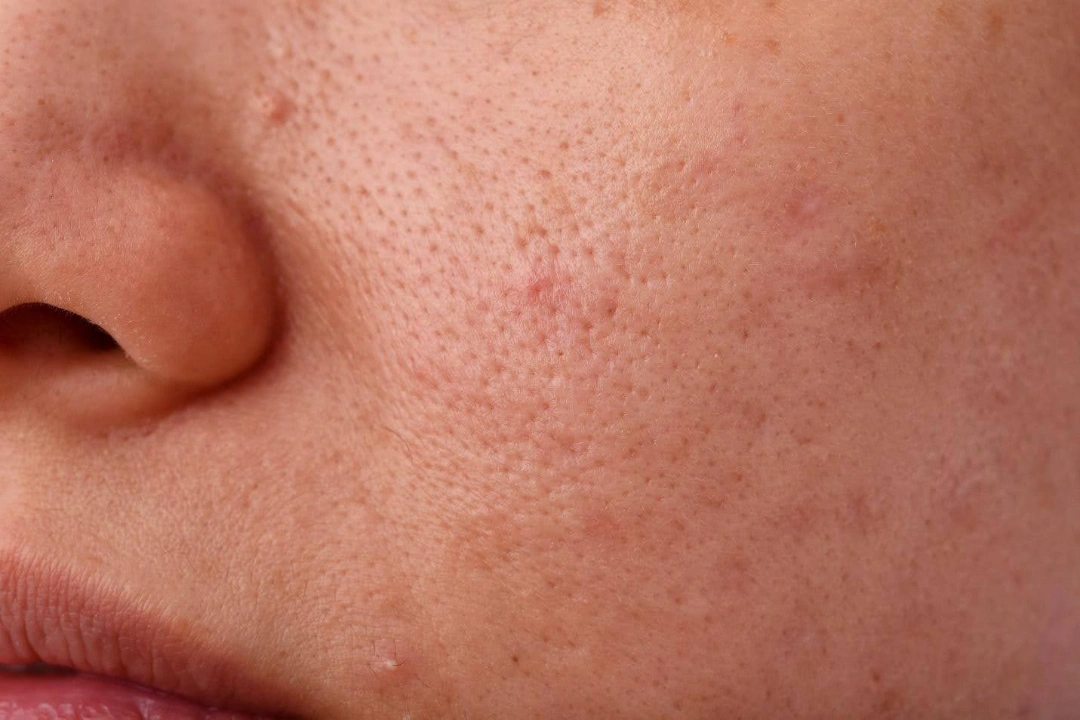
  • Physical examination – a detailed assessment of the skin’s texture, scar depth, and pigmentation changes.
  • Skin analysis – identifying the specific type of acne scars to tailor treatment options.
  • Medical history review – understanding past acne treatments, skin conditions, and genetic predisposition to scarring.
  • Lifestyle and skincare assessment – evaluating factors such as skincare habits, sun exposure, and diet that may influence scar formation and healing.
how to diagnose acne scars.
A skin assessment, and thorough medical review are often conducted to help diagnose the severity of acne scarring.

How are Acne Scars treated in Singapore?

An aesthetic doctor is skilled at outlining personalised treatment plans designed to effectively reduce acne scars by improving skin texture, stimulating collagen production, and minimising pigmentation. They carefully assess each patient’s skin condition to recommend the most suitable approach.

Some of the available treatments may include one or a combination of the following:

Laser treatments use focused light energy to resurface the skin, promoting collagen production, and improving overall texture. This method is highly effective for atrophic scars, such as ice pick and boxcar scars, by encouraging new skin cell turnover as well as the following benefits:

  • Encourages natural skin regeneration for a smoother complexion.
  • Improves skin tone, and minimises pigmentation irregularities.
  • Reduces the depth, and visibility of depressed scars.
Microneedling involves the use of fine needles to create micro-injuries in the skin, stimulating the body's natural healing response. This process boosts collagen, and elastin production, making it an effective treatment for atrophic acne scars. In doing so, microneedling aims to:
  • Enhance skin firmness, and texture over time.
  • Improve the appearance of shallow to moderately deep scars.

Chemical peels use specially formulated acids to remove the outer layer of damaged skin, allowing fresh, healthier skin to emerge. These peels are particularly beneficial for PIH, and superficial scarring as they work to:

  • Encourage new skin cell growth, and improve overall skin clarity.
  • Help fade dark marks left behind by acne.
Injectable treatments, such as dermal fillers, help improve the appearance of deeper, depressed acne scars by restoring lost volume.
  • Dermal fillers – injected beneath the skin to lift depressed scars, providing an instant smoothing effect.

Subcision is a minor surgical procedure where a fine needle or cannula is used to break the fibrous bands anchoring depressed scars. This allows the skin to rise, reducing the depth of the scar over time by achieving the following outcome:

  • Elevate deep, and tethered scars.
  • Stimulate collagen production for long-term skin improvement.
how to treat acne scars.
Treating acne scars involves a combination of personalised, and medical-grade treatments with a professional skincare regime to facilitate the skin’s healing to minimise the appearance of acne scars.

A personalised treatment plan is a call away

Since acne scars vary in type and severity, a personalised approach is essential for achieving the best results. At Cove Aesthetics, our aesthetic doctors carefully assess your skin, and recommend a tailored combination of treatments to ensure safe and effective scar reduction.

While acne scars can impact self-confidence, the right treatment plan can lead to significant improvements. With clinically proven, medical-grade solutions, you can restore a smoother, clearer complexion. Get in touch with us today to start your journey to achieving healthier, and more radiant skin.

RECOMMENDED Treatments 

OUR PERSONALISED APPROACH
The type and severity of acne scars can vary depending on the individual’s skin type, the type of acne lesion, and how the healing process unfolds. Acne scars can be complicated to treat and may require a combination of treatments. The treatment options will be discussed with you during consultation with our doctor, and a customised treatment plan will be worked out for you.
The persistence of eye bags depends on their underlying cause. Temporary puffiness caused by factors such as lack of sleep, dehydration, excessive salt intake, or allergies may subside with lifestyle adjustments. Ensuring proper hydration, reducing sodium consumption, getting quality sleep, and managing allergies can help minimise swelling in these cases.

However, eye bags that develop due to ageing, genetics, or long-term fluid retention are unlikely to resolve on their own. As the skin loses elasticity and the underlying muscles weaken, fat displacement under the eyes becomes more pronounced, leading to persistent puffiness. In such cases, topical creams and home remedies offer minimal improvement, as they do not address the structural changes in the skin and fat distribution.

For individuals experiencing long-term under-eye puffiness, professional treatments such as dermal fillers, laser therapy, or skin-tightening procedures can provide more effective and lasting results.

Making simple lifestyle changes can help reduce under-eye puffiness and improve the overall appearance of the delicate skin beneath the eyes. Here are some natural ways to minimise under-eye bags:

  • Get enough sleep — poor sleep quality can lead to fluid retention and puffiness under the eyes. Aim for 7–9 hours of sleep per night and try sleeping with your head slightly elevated to prevent fluid buildup.
  • Stay hydrated — dehydration can make under-eye bags more noticeable by causing the skin to appear dull and sunken. Drinking enough water throughout the day helps flush out excess salt and reduces fluid retention.
  • Limit salt and alcohol intake — excessive salt and alcohol consumption can lead to water retention, which makes the under-eye area appear swollen. Reducing processed foods and moderating alcohol intake can help prevent puffiness.
  • Eat a nutrient-rich diet — foods high in antioxidants, vitamin C, and collagen-boosting nutrients support skin health. Leafy greens, citrus fruits, nuts, and omega-3 fatty acids help maintain skin elasticity and reduce puffiness.
  • Manage allergies and sinus congestion — allergies and sinus issues can cause inflammation and fluid buildup under the eyes. Using antihistamines, saline rinses, or avoiding known allergens can help reduce swelling.
  • Apply cold compresses — placing a chilled spoon, cold compress, or cold tea bags over the under-eye area for a few minutes can constrict blood vessels and temporarily reduce puffiness.

While these lifestyle changes can help improve the appearance of under-eye bags, persistent puffiness may require medical treatment.

Treatments to minimise eye bags include:

  • Skin-repairing polynucleotide injections — formulated for the delicate under-eye area, this regenerative treatment (link to service page) enhances skin elasticity, improves hydration, and smooths fine lines, which helps reduce puffiness and tired-looking eyes.
  • Undereye fillers (hyaluronic acid-based fillers) — we use premium dermal fillers (link to service page) to restore lost volume, smooth out hollows, and reduce the shadowed appearance caused by eye bags.
  • SmoothEye Laser — this non-invasive laser treatment (link to service page) tightens loose skin around the eyes, boosts collagen production, and reduces the appearance of puffiness.
  • CO2 Fractional Laser — by stimulating collagen and resurfacing the skin, this laser treatment (link to service page) improves under-eye texture and reduces sagging.
  • HIFU (High-Intensity Focused Ultrasound) — a non-surgical skin-tightening treatment (link to service page)that lifts and firms the under-eye area by stimulating collagen deep within the skin.
  • Ultraformer MPT & Ultherapy — these specialised ultrasound-based treatments (link to service page) help tighten and firm the under-eye area, which helps reduce sagging and puffiness for a naturally refreshed appearance.
Here at Cove Aesthetics, we understand that under-eye bags can affect your confidence and make you look more tired than you feel. While lifestyle adjustments may help in some cases, persistent eye bags often require targeted treatments for visible and lasting improvement. We offer a range of non-surgical solutions designed to refresh and rejuvenate your under-eye area.

Book a consultation with us today for a detailed assessment and personalised treatment plan.

Treatment at a Glance

TREATMENT TIME
FROM 15 - 30 minutes
DURATION
Up to 12 months
DOWNTIME
Minimal to none
NUMBING
Yes

Frequently Asked Questions

Eye bags resulting from ageing or genetics tend to be permanent but can be minimised with treatments like fillers or surgery. Temporary puffiness due to factors like lack of sleep or allergies often subsides with lifestyle changes.
Yes, dehydration can lead to under-eye bags. It’s recommended to drink 6-8 glasses (1.2 liters) of water daily to maintain proper hydration. ​
Stress increases cortisol levels, which can lead to inflammation and affect the appearance of your eyes, resulting in eye bags.
High-sodium foods can cause the body to retain water, leading to swelling, including under the eyes. Limiting salt intake may help reduce puffiness. ​
Yes, smoking can accelerate collagen loss, leading to thinner skin under the eyes and more prominent bags. ​
Certain conditions, such as thyroid problems, sinus infections, and liver or kidney issues, may also create under-eye bags. ​
Topical treatments, such as retinol creams, can help thicken the skin and reduce the appearance of under-eye bags, though results may vary. ​

Frequently Asked Questions

Treatment duration varies based on scar type, and the method used. Some procedures, like laser therapy, show improvements within a few weeks, while others, such as microneedling, may require multiple sessions for optimal results.
While treatments significantly reduce acne scars, complete removal depends on scar severity, and individual skin response. Be that as it may, advanced procedures across multiple sessions can make scars much less noticeable.
Yes, active acne should be controlled before undergoing scar treatments. Treating acne first prevents new scars from forming, and ensures the best results from scar-reduction procedures.
Preventive measures include treating acne early, avoiding pimple-picking, using sun protection, and following a dermatologist-recommended skincare routine.
Some ingredients like vitamin C, retinoids, and niacinamide can help fade pigmentation, and improve skin texture. However, professional treatments offer more effective, and lasting results.
Mild discolouration may fade over time, but deep scars usually require treatment to improve skin texture and appearance.

NO TWO FACES ARE THE SAME, AND NEITHER ARE our treatments.

Customised treatment plans always work best. We tailor each treatment plan to your specific needs, ensuring you get the results you desire.  Our patient’s journey starts before their booking – and continues after their COVE experience.
Book an appointment
STEP ONE

Book a Consultation

We require new patients to attend a consultation with our doctors so we can better understand your aesthetic concerns. At Cove, we genuinely care for our patients. Consultations are in-depth, never rushed, and we will never recommend treatments that you do not need. Simply drop us a WhatsApp or a phone call to book an appointment!
STEP TWO

Come On Over

It’s time to come into COVE and meet us for your consultation! During this phase, we encourage you to maintain an open mind. While you may have a vision in mind, our doctors may offer different advice based on their assessment of your condition and desired treatment outcomes.
STEP THREE

Begin Your Transformation

You’ve consulted our Cove Experts, and the treatment plan has been discussed with you. We’re now ready to make your transformation happen! To ensure no time is wasted, we recommend starting your treatment in the same session as your consultation. You’ll love how each visit to COVE is a boost to your self-confidence! 

View More Concerns

BEGIN YOUR SKIN JOURNEY TODAY

BOOK AN Appointment

If you have any general enquires or would like to arrange a consultation with us, you may contact us by filling the following form.

    Wheelock Place | 501 Orchard Rd, #04-07, Singapore 238880
    Guoco Tower  | 7 Wallich Street, #B1-14, Singapore 078884

    WHEELOCK PLACE (ORCHARD)

    501 Orchard Rd, #04-07, Singapore 238880
    hello@coveaesthetics.com.sg
    (65) 6734 3977
    (65) 8082 0998
    Mon-Fri: 10:00am to 8:00pm

    Sat: 9:30am to 4:00pm 

    Closed on Sundays & PH

    GUOCO TOWER (TANJONG PAGAR)

    7 Wallich Street, #B1-14, Singapore 078884
    hello@coveaesthetics.com.sg
    (65) 8339 3518
    (65) 8339 3518
    Mon-Fri: 10:00am to 8:00pm

    Sat: 9:30am to 4:00pm 

    Closed on Sundays & PH
    Copyright © 2026 Cove Aesthetic Clinic. All Rights Reserved.
    Copyright © 2026 Cove Aesthetic Clinic.
    All Rights Reserved.
    chevron-down