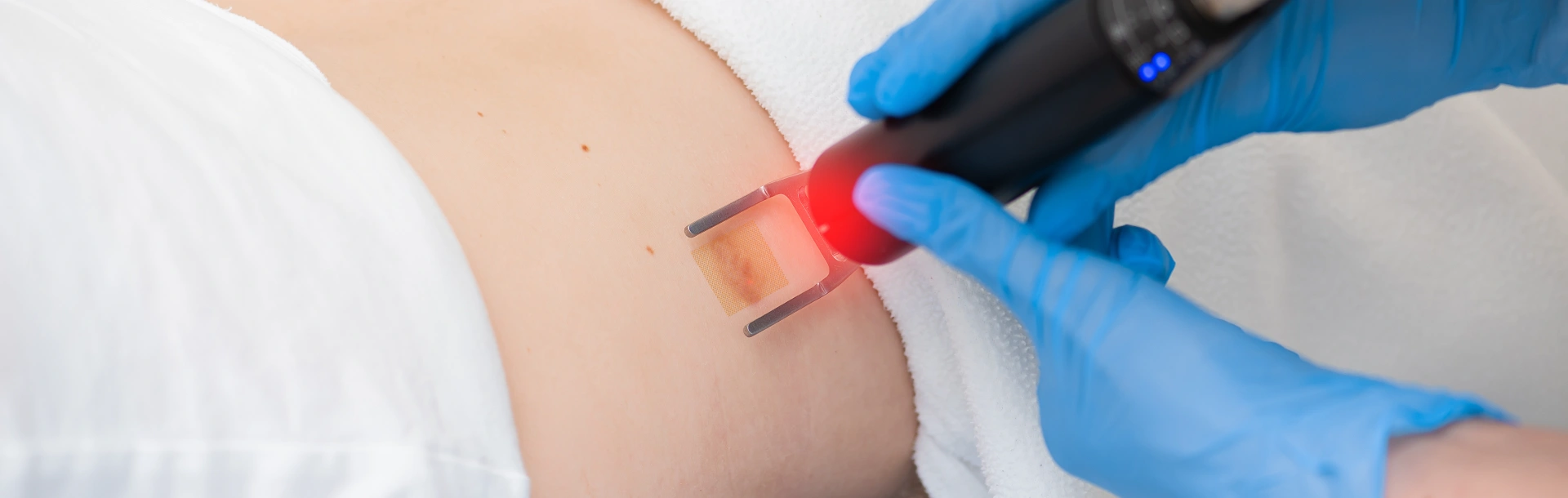
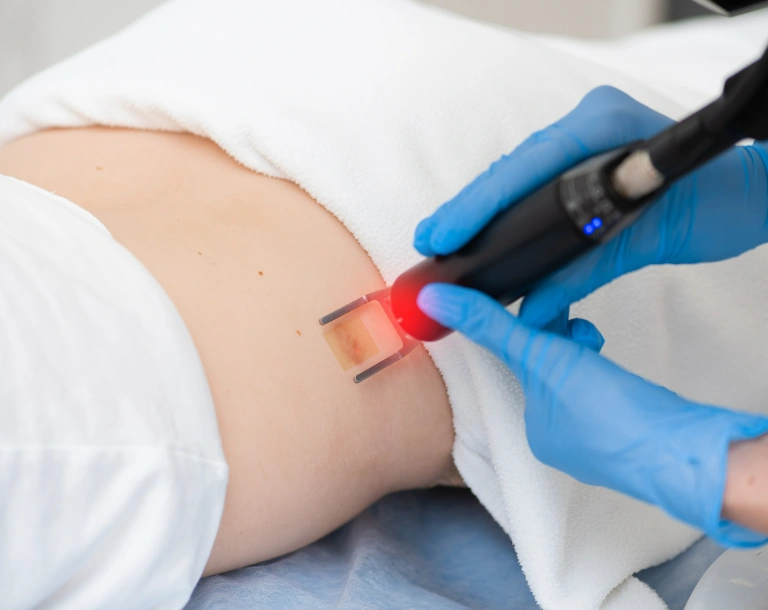
Keloid scars extend beyond the original wound site, growing into thick, raised, and often irregular shapes. They result from an overactive healing process in which fibroblasts continue producing collagen long after the wound has healed. Unlike normal scars, keloids do not regress over time and may continue growing for months or even years after the initial injury. Here are some of the key characteristics of keloid scars:
Keloids can develop after surgical incisions, burns, acne, piercings, tattoos, and even minor cuts. They have a high recurrence rate even after treatment, making proper management essential.
Hypertrophic scars are also raised and thick, but they remain confined to the original wound area. Unlike keloids, hypertrophic scars may improve naturally over time, though they can take months or years to flatten and fade. These scars result from an excessive but temporary increase in collagen production during the healing process. The key characteristics of hypertrophic scars include:
Hypertrophic scars are more common than keloids and can be managed with less aggressive treatment methods. However, they can still cause functional and aesthetic concerns, especially if they develop in highly visible areas or restrict movement.
| Feature | Keloid Scars | Hypertrophic Scars |
| Growth Pattern | Extend beyond the original wound | Stay within the wound boundary |
| Texture | Thick, raised, and shiny | Raised and firm but less excessive |
| Colour | Red, pink, or darker than surrounding skin | Red or pink, may lighten over time |
| Regression | Continue growing over time | Can flatten and fade gradually |
| Common Locations | Chest, shoulders, earlobes, upper back, jawline | Areas with tension, such as joints or surgical sites |
| Treatment Response | Higher recurrence rate, requires combination therapy | More responsive to conservative treatments |
Keloid and hypertrophic scars develop when the body’s natural healing process becomes overactive, leading to excessive collagen production. While scarring is a normal response to skin injury, these types of scars form due to an imbalance in the wound-healing process. Various factors influence their development, including genetic predisposition, skin type, and the nature of the injury.
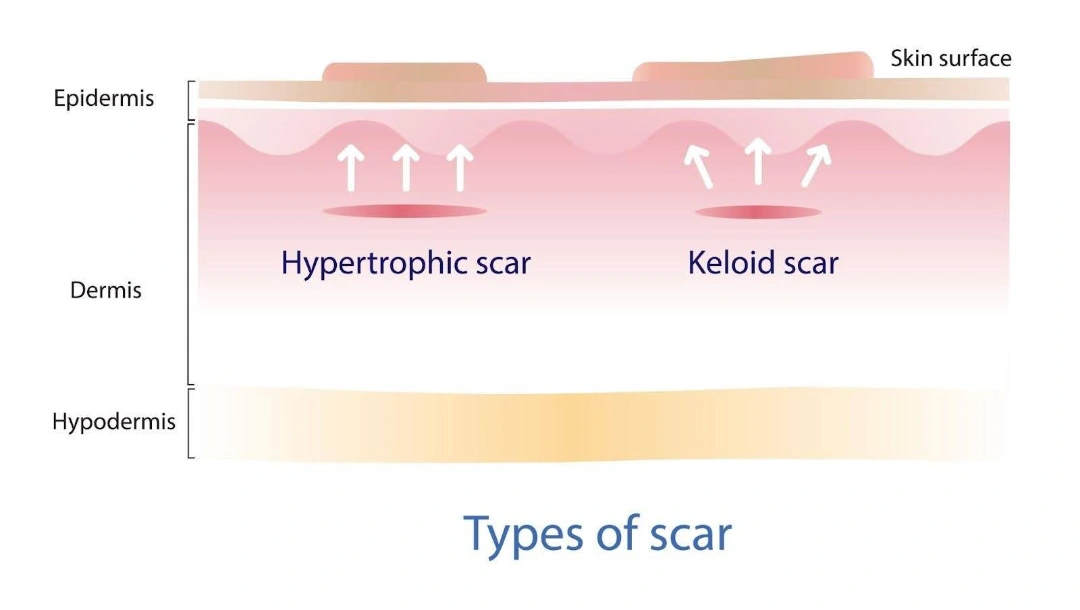
Keloid and hypertrophic scars are characterised by their raised, thickened appearance, but they have distinct differences in how they develop and behave. Recognising their symptoms early can help in seeking appropriate treatment before they become more prominent.
Signs and Symptoms of Keloid Scars:
Signs and Symptoms of Hypertrophic Scars:
If you notice any of these signs developing after a wound heals, early intervention can help manage the scar and prevent further thickening.
Certain individuals are more prone to developing keloid and hypertrophic scars due to genetic, biological, and environmental factors. In Singapore, where diverse ethnic backgrounds and tropical climate conditions influence skin healing, some groups are at higher risk of excessive scarring. Groups at higher risk include:
At Cove Aesthetic Clinic, we take a personalised approach to assessing and diagnosing scars to ensure the most effective treatment plan for each individual. Keloid and hypertrophic scars have distinct characteristics, and an accurate diagnosis is essential for selecting the right treatment.
During your consultation, we use a combination of clinical examination and diagnostic techniques to evaluate the scar’s nature, severity, and potential for further growth. Our diagnostic approach generally involves:
Ultimately, the goal of treatment is to minimise its appearance, relieve any discomfort, and prevent recurrence.
If you are struggling with a keloid or hypertrophic scar and want a personalised treatment plan, schedule a consultation with our doctors today to achieve smoother, healthier-looking skin.